Store-Bought Vs Handmade Bracelets Which Looks Better? See the Truth

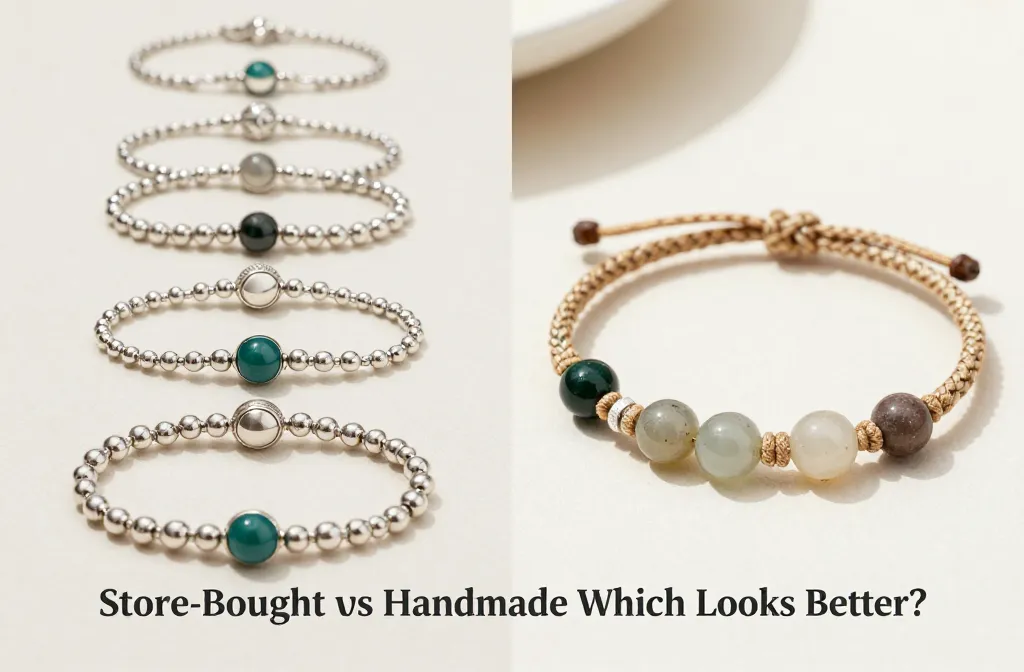
Buying bracelets is fun, but deciding between store-bought and handmade can feel like choosing between a packaged snack and a homemade treat.
Both have their perks, and both can look stunning in the right vibe. Let’s dive in and figure out which option actually looks better for you—and why.
First impressions: what “looking good” actually means
We all want bracelets that catch the eye and match our style. But “looking good” isn’t a one-size-fits-all.
Do you want a bold, shiny statement or a delicate piece that blends in seamlessly? Do you crave perfect symmetry, or do you relish a touch of handmade imperfection? The answer depends on the context: outfit, occasion, and mood.
Store-bought pieces usually come polished, uniform, and ready to wear out of the box. They shine in a minimalist, curated way.
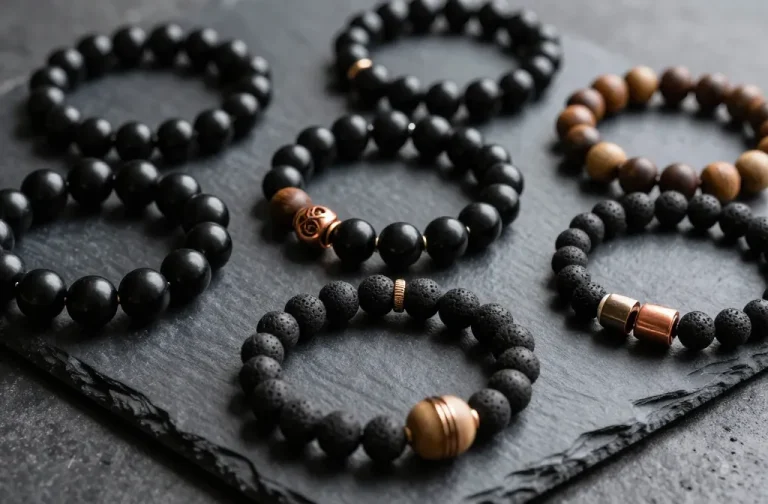
Handmade bracelets tend to carry personality—textures, knots, tiny quirks that tell a story. Both can look incredible; it just depends on the vibe you chase.
Variety vs. originality: where the real magic hides
– Store-bought pros:
– Huge range: metal, resin, gemstones, beads, leather—you name it.
– Consistent sizing and finishes, great for gifts or stacking.
– Easy customization through inserts, charms, or enamel work.
– Handmade pros:
– One-of-a-kind or limited runs. No risk of showing up with the same piece as your neighbor.
– Customization ready: adjust length, choose materials, tweak colors.
– Craft storytelling: you can feel the maker’s touch in the details.
When originality wins
If you want a bracelet that truly screams “you,” handmade wins. You can request a particular stone, wire gauge, or weaving pattern. FYI: the process often leads to tiny design quirks that stop traffic in the best way.
Craftsmanship and materials: does it really matter?
There’s a big difference between a well-made piece and a flashy one. Materials affect shine, durability, and how long the bracelet ages with you.
- Store-bought
- Materials tend to be standardized for cost and mass production.
- Finish is consistent; you’ll see uniform clasps and links.
- Repairs can be tricky if the piece was stitched or glued with factory shortcuts.
- Handmade
- Materials are often chosen for character as well as price—think natural stones that glow in sunlight.
- Finishes can range from pristine to deliberately rustic; both can be gorgeous.
- Repairs are usually feasible, since you’re dealing with a single creator or small team who cares about the piece.
Quality cues to look for
– Tight, even stitches or crimps in beadwork
– Consistent clasp operation without wobble
– Clean knots in macramé or properly sealed ends
– Polished metal that doesn’t feel rough to the touch
Subscribe to DIY Craft Bloom
Get updates on the latest posts and more from DIY Craft Bloom straight to your inbox.
Fit and comfort: the practical side of “looks good”
A bracelet only looks good if it feels good. No one wants a piece that’s pinching, slips off, or catches on sleeve cuffs every five seconds.
– Store-bought fit:
– Often comes in standard lengths with adjustable options.
– Lightweight metals or resin can be comfortable for long wear.
– Some designs rely on tension or spring-loaded clasps that can irritate sensitive skin.
– Handmade fit:
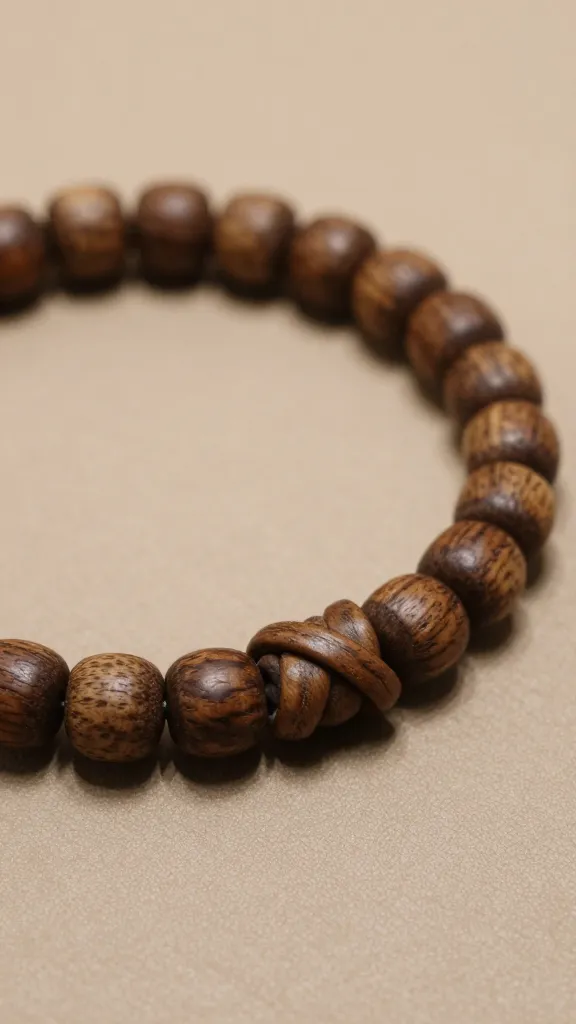
– Length can be tailored precisely, especially in woven or knotted designs.
– Materials like cotton, hemp, or soft leather sit differently on the skin than metal.
– Custom fit means fewer fit-adjustment headaches during your day.
Which does comfort favor?
If you’re picky about stacking three bracelets without annoying gaps, handmade pieces let you choreograph a cuff that sits perfectly. If you’re chasing “grab-and-go,” store-bought options with standard sizes are hard to beat.
Durability and wear over time: aging gracefully or staying pristine?
Bracelets are small, but their longevity matters. Your daily jewelry can handle a lot or barely survive a season, depending on how they’re built.
– Store-bought durability:
– Often designed for mass wear; some use scratch-resistant coatings or strong plated metals.
– Factory finishes can dull with time or tarnish if not cared for.
– Repair options depend on the design; some parts are replaceable, others are not.
– Handmade durability:
– Depends on the maker’s technique and chosen materials.
– Natural fibers may fray, but that can add character; metalwork can be tougher if well finished.
– Repairs are frequently possible with a quick message to the crafter or a local jeweler who understands artisan methods.
Care tips you’ll actually use
– Store-bought or handmade, keep pieces dry when possible.
– If you wear metal daily, a quick wipe with a microfiber cloth keeps the shine.
– For fabric or beadwork, avoid harsh cleaners; rinse saltwater or chlorine promptly.
– Ask the maker about guarantees or repair policies—some handmade designers offer lifetime repairs.
Pricing: how much does “looks good” actually cost?
Let’s be honest: price often paints the picture of value, but not always the reality.
– Store-bought usually offers good value for money, especially during sales. You’ll get consistency, a range of options, and quick gifting.
– Handmade pieces can be pricier per inch, but you’re paying for the artist’s time, unique materials, and the story behind them. You’re also supporting a small business or maker who pours heart into every knot and bead.
Value beyond price
If you value exclusivity and a piece that’s likely not on every street corner, handmade delivers.
If you want a reliable, easy-care daily driver that you can swap out without guilt, store-bought is a solid bet.
Style compatibility: which looks better with your wardrobe?
Style isn’t universal, and that’s the point. The best-looking bracelet is the one that vibes with your closet.
Store-bought style bingo:
– Clean lines, minimal branding, and versatile palettes.
– Easy to mix with other jewelry without clashing.
– Great for workwear, uniforms, or a “polished but not precious” aesthetic.
– Handmade style magic:
– Rich textures, unusual color blends, and rustic finishes.
– Looks fantastic when you want a talking point, like at a cafe or gallery opening.
– Perfect for outfits that embrace boho, indie, or craft-inspired looks.
A quick verdict: which looks better, store-bought or handmade?
The short answer: both can look amazing, depending on the moment. If your goal is a guaranteed match, a store-bought piece that suits your typical outfits nails it.
Subscribe to DIY Craft Bloom
Get updates on the latest posts and more from DIY Craft Bloom straight to your inbox.
If you crave personality, a one-off or limited-run handmade bracelet can steal the spotlight and make your outfit feel uniquely you.
IMO, the best of both worlds is a curated stack: a reliable store-bought base with a standout handmade piece to anchor the vibe.
Conclusion
Bracelets aren’t just accessories; they’re tiny ambassadors for your style. Store-bought pieces bring consistency, practicality, and speed, while handmade pieces bring character, customization, and a story you can brag about at parties.
The real trick is knowing when to pick which. Mix, match, and let your outfit lead the charge. If you want wow factor with minimal effort, a bold handmade piece tucked into a clean store-bought stack often lands the best look.
And if you’re in the mood for a reliable daily driver, a sleek store-bought bracelet can do the job without fuss. There’s no right or wrong here—just your vibe, your wrist, and a dash of confidence.
FAQ
How do I know what size bracelet to buy?
Choose a bracelet that fits comfortably with a little slack. Measure your wrist with a soft tape measure, add about 1/2 inch for a comfortable fit, and pick a size that matches that total. If you’re between sizes, opt for the larger one or a design with adjustable links or knots.
Are handmade bracelets more durable than store-bought?
Not always. Durability depends on materials and technique. Handmade can be tougher if crafted with robust stitching or strong knots, but some store-bought pieces use sturdy clasps and high-quality metals. Ask about materials and care to know what you’re really getting.
Can I customize a store-bought bracelet?
Yes. Many stores offer customization options like engraving, interchangeable charms, or adjustable lengths. If you crave a truly unique look, pair a store-bought base with a handmade accent piece.
What’s the best way to care for both types?
Keep them dry when possible, wipe metal surfaces regularly, and store them in a cool, dry spot. For fabrics and beadwork, avoid rough cleaners and chemical exposure. If in doubt, follow the maker’s care instructions—they know their materials best.
Is it worth investing in a high-end handmade bracelet?
If you value craftsmanship, material quality, and a story you can tell, yes. A well-made handmade piece can last for years with proper care and often gains even more character as it ages. That said, affordable handmade options can still deliver lots of charm without breaking the bank. FYI, you don’t have to go all-in—start small and upgrade as you fall deeper down the bracelet rabbit hole.