Seed Beads Vs Pony Beads for Bracelets: Tiny Power, Bold Picks

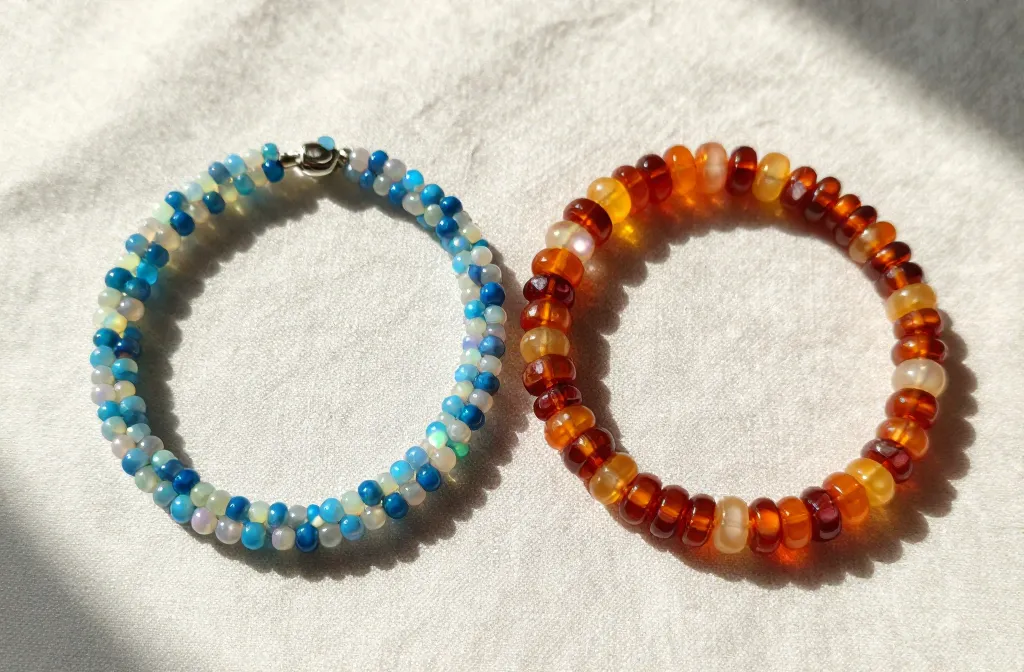
Just because you can string beads doesn’t mean you should ignore the tiny details that make or break a bracelet.
Seed beads and pony beads both have their charms, but they bring very different vibes to the project.
Let’s dial in on what matters: look, feel, durability, and ease. Spoiler: you might end up loving both for different bracelets.
What makes seed beads special—and why they’re the tiny power players
Seed beads are the petite mystics of the bead world. They’re uniform, tiny, and incredibly versatile. Think of them as the fine print on a contract: small, precise, and capable of big things when you know how to use them.
– Size and shape: Seed beads typically range from around 1.0 mm to 3.0 mm in diameter. They’re more uniform than their larger cousins, with a round or slightly oval shape that plays nice with weaving.
– Classic looks: They offer a delicate, textured surface that shines in bead weaving, loom work, and even simple stringing projects.
– Color and finish: Because there are so many glassmakers making seed beads, you get a jaw-dropping spectrum and finishes—opaque, translucent, ab beads, and metallics.
Why you should care: seed beads let you build intricate, tight patterns with lots of texture. They’re the go-to if you want a bracelet that looks like it’s woven or embroidered rather than glued-on.
What pony beads bring to the party
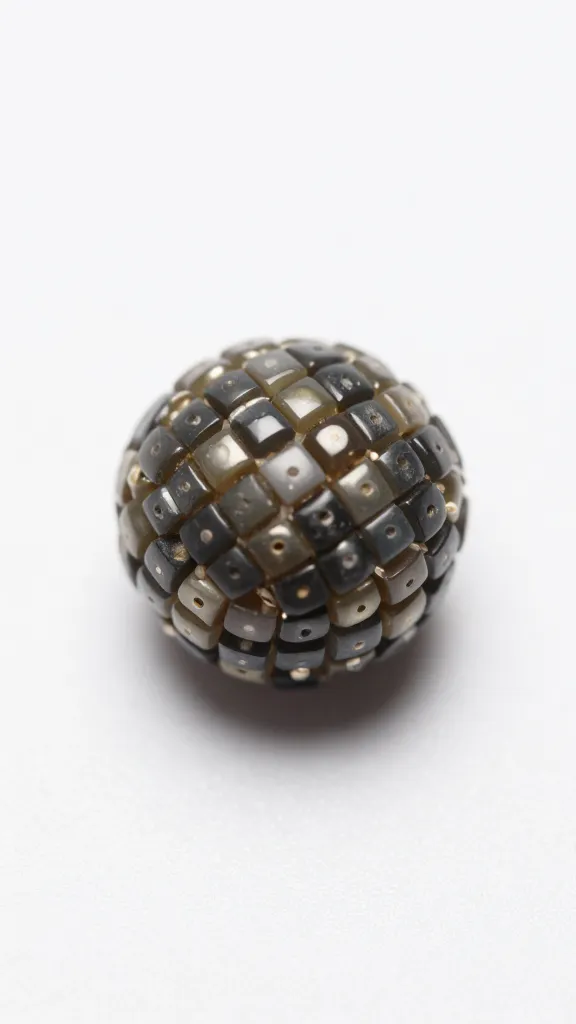
Pony beads are the blockbuster: bigger, bolder, and a tad less fussy. They’re the easy wins for speedy bracelets and chunky, playful pieces.
– Size and shape: Pony beads usually sit around 4 mm to 6 mm in diameter. They’re larger, smoother, and easier to handle for beginners.
– Speed and simplicity: If you want a bracelet you can finish in a single sitting, pony beads are your friend. They’re forgiving and don’t require ultra-precise spacing.
– Durability and sturdiness: The heftier size means more durability in some designs. They handle rough wear better in some cases, though elastic wearers beware of stretching.
Why you should care: pony beads shine in bold color blocks, simple bracelets, and projects that your friends will glance at and say, “Wow, you made that in an afternoon.” They’re also great for kids or beginners who want instant gratification.
Subscribe to DIY Craft Bloom
Get updates on the latest posts and more from DIY Craft Bloom straight to your inbox.
When to choose seed beads over pony beads
If you’re chasing a refined, intricate look, seed beads often win. If you want quick results and a chunky vibe, pony beads steal the show.
Here’s a quick decision guide:
– Pattern complexity: Seed beads excel in complex patterns, peyote stitch, brick stitch, and bead weaving. If your design has lots of little details, seed beads are your buddy.
– Bracelet width: For a delicate, slender bracelet, seed beads create that classy, almost lace-like feel. For a wider, statement piece, pony beads deliver the punch.
– Comfort and wear: Seed beads are lighter and can create flexible, drapey bracelets in fine materials. Pony beads give you a sturdier feel and a bolder silhouette.
– Tools and skill: Seed-bead weaving often requires a needle and thread or beading loom. Pony beads let you grab elastic cord and go, with fewer precision demands.
Materials and tool essentials: what you actually need
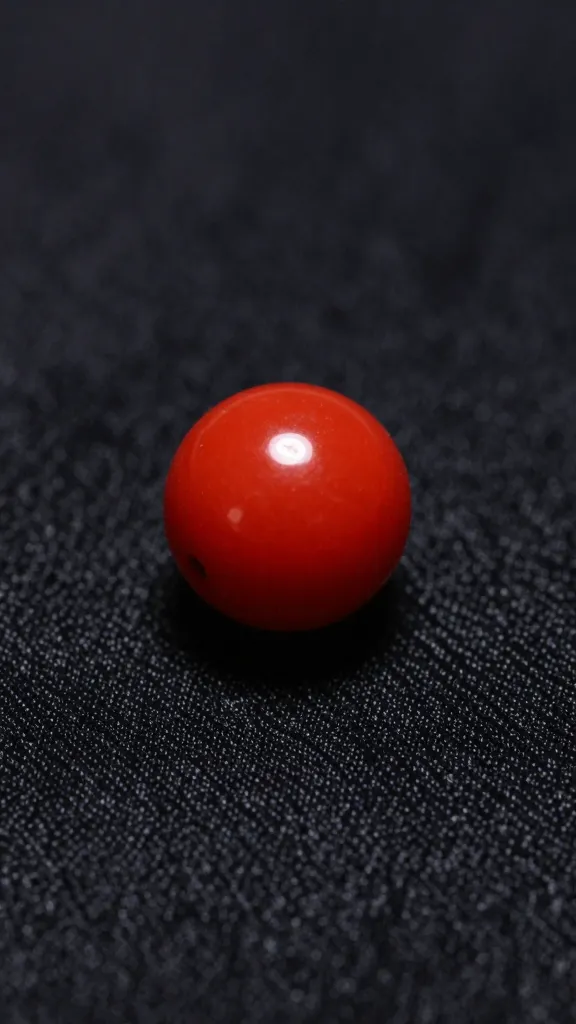
Let’s break down the basics so you don’t wander the internet like a bead-hoarding nomad.
– For seed beads:
– Size 11/0, 8/0, or 6/0 seed beads are common.
– Beading needle thin enough to slip through beads multiple times.
– Beading thread or Nymo, fireline, or similar for durability.
– Optional: a bead loom for woven patterns; bead mats help control slips.
– For pony beads:
– 4 mm to 6 mm pony beads in your color palette.
– Elastic cord or nylon thread for quick, stretch-friendly bracelets.
– Scissors, crimp beads if you’re using stretch-resistant finishes, and a lighter to seal ends (FYI, don’t burn yourself).
– Shared essentials:
– Scissors, tape or bead mats, and a bead stopper or clip to keep your project in place.
– A beading awl or needle-nose pliers for threading and finishing touches.
Texture, drape, and how the bracelet feels on your wrist
Texture isn’t just about looks; it’s about wearing joy. Seed beads give you a textured, almost fabric-like surface when woven, which feels like a delicate tickle against the skin. The bracelet drapes with a gentle weight and can look incredibly refined.
Pony beads, on the other hand, create a punchy, chunky feel. The bracelet sits more rigidly, with a tangible heft that makes a bold statement.
If you want something that reads “I planned this for a friend’s birthday gift in a single afternoon,” pony beads nail it.
– Flexibility: Seed-bead woven pieces bend and flow more; pony-bead projects feel more structured.
– Comfort: Seed beads are smoother on a thinner skin; some people with sensitive wrists prefer the lighter weight of seed-bead pieces.
– Impact: Seed beads whisper elegance; pony beads shout personality.
Subscribe to DIY Craft Bloom
Get updates on the latest posts and more from DIY Craft Bloom straight to your inbox.
Shine, color, and finishes: a quick comparison
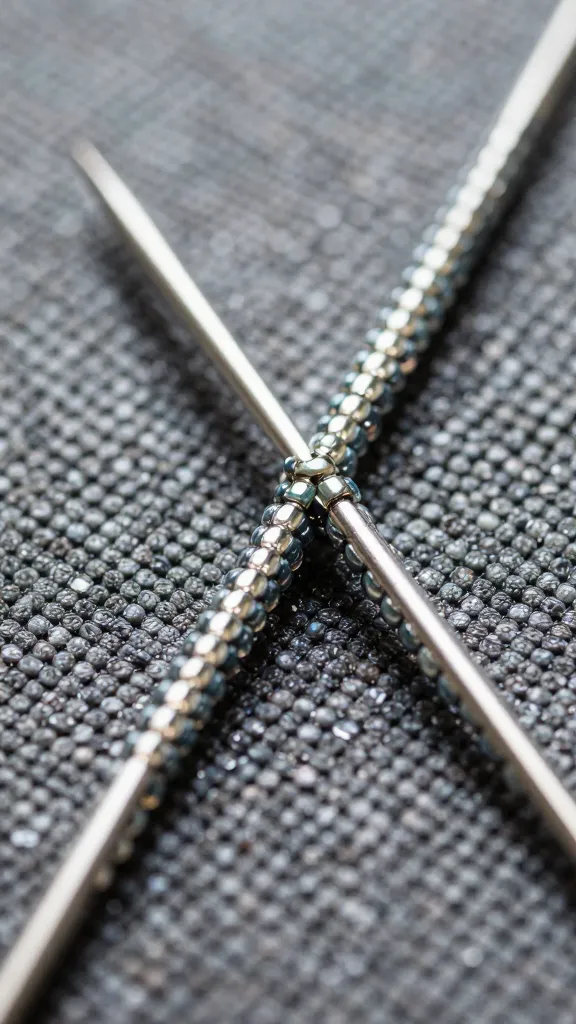
The bead world is a candy store, and color is the main course.
– Seed beads:
– Offer a seamless, glassy finish that catches light softly. The tiny size means more spark when light glints across the weave.
– A huge color range, including subtle translucents and iridescents.
– Pony beads:
– Big color blocks with crisp edges. The surface finish can be highly saturated and bold.
– Matte, iridescent, and metallic options exist, but you’ll notice the color punch more readily.
– Mixing it up: Don’t fear a hybrid look. Seed-bead edging around a pony-bead centerpiece can create a surprising, stylish bracelet.
Durability and wear: which lasts longer—and why
Durability isn’t just about the bead; it’s about the method you choose.
– Seed beads with thread or fine beading cord:
– Great for weaving patterns that distribute tension evenly.
– If you’re careful with knots and ends, you can get long-lasting pieces that resist snagging.
– Pony beads with elastic or cord:
– Elastic bracelets are the champs of easy on/off, but they can stretch over time and lose their snug fit.
– If you seal knots well or use a beading cap, you’ll improve longevity, but expect some maintenance with daily wear.
Tips to boost durability:
– Double-knotting and secure ends when using thread.
– Add a dab of clear resin or glue on knots (if the project and material allow).
– For elastic, stretch test regularly and re-tie as needed.
Projects to try first: quick-start ideas
Here are a few starter projects you can actually finish in a session or two.
Seed-bead slim bracelet:
– Try a simple brick stitch or right-angle weave. Pick a neutral palette with a pop of color for edge interest.
Seed-bead pattern bracelet:
– Create a small geometric motif using 11/0 seed beads. Use a bead loom or off-loom weaving depending on your vibe.
Pony-bead chunky bracelet:
– A basic ladder or spiral stitch with 4 mm beads yields a bold, fast result.
Mixed bracelet:
– Use seed beads to frame a central pony-bead focal. It’s the best of both worlds and looks intentional.
Hip tips for success: troubleshooting and pro moves
If your seeds keep escaping: switch to a beading mat and a clip to hold the project steady. A dump of seed beads on a tray helps keep your eyes from crossing.
- If your thread frays: use a slightly thicker thread or a beading needle designed for the bead size. A gentle knot with a dab of glue on the knot helps too.
- Not sure on size? Do a small test swatch. It saves you headaches before you invest hours in a project.
- Want more texture? Layer seed beads with small horn or metal accents. The contrast reads as intentional rather than accidental.
Conclusion: seed beads or pony beads? The short answer
Both bead types have their own magic. Seed beads bring finesse, intricate patterns, and a delicate drape that elevates a bracelet to “gallery piece” territory.
Pony beads deliver big impact, quick results, and a playful, bold vibe that shouts personality.
Your best move is to embrace the two for different moods:
– Seed beads when you crave precision, texture, and a refined look.
– Pony beads when you want a fast, chunky statement piece that turns heads in seconds.
Try a small project of each this week. FYI, you might fall into a love-triangle with beads: seed beads for the artistic side, pony beads for the “I want to finish this now” side.
FAQ
What’s the biggest difference between seed beads and pony beads?
Size and feel. Seed beads are tiny and delicate, great for detailed weaving and subtle texture. Pony beads are larger, bolder, and perfect for quick, chunky bracelets. The choice mostly comes down to the look you want and how fast you want to finish.
Are seed beads harder to work with than pony beads?
Seed beads can be trickier because you need precise threading and a steady hand for weaving. Pony beads are more forgiving and easier for beginners, especially if you’re stringing or using elastic cords.
Can I mix both types in one bracelet?
Absolutely. A seed-bead edging around a pony-bead focal point can look stunning. Just balance the weight and make sure your clasp and stringing method handle the combination.
What tools do I need to get started with seed beads?
A thin beading needle, beading thread, a bead mat, and optionally a bead loom if you want weaving patterns. For pony beads, scissor, elastic cord or sturdy thread, and some basic knotting supplies will do.
Which bracelet is more durable for day-to-day wear?
That depends on your design and method. Seed-bead woven bracelets with strong thread can be very durable. Elastic- or cord-based pony-bead bracelets are durable too but can stretch over time. Regular checks and proper finishing help both last longer.
Any quick tips to get started today?
Yes. Pick a simple seed-bead or pony-bead project, gather your favorite colors, and set up a tidy beading area. Keep a bead mat handy, measure your thread, and do a quick trial run. You’ll be surprised how fast you’ll finish something and how satisfying it feels. IMO, starting small keeps the fun intact.