How to Make Mugs Without a Wheel

You don’t need a spinning wheel to create a mug that looks like it belongs in a high-end boutique. For many people, the dream of making pottery feels out of reach.
You might see the high cost of equipment or the steep learning curve of the wheel as a wall standing in your way. It feels like you are gatekept from a hobby you love before you even start.
But here is the good news. In 2026, the design world is moving away from factory perfection. People now crave “organic imperfection.”
This guide will show you how to make mugs without a wheel using three simple hand-building pottery techniques.
You only need your hands, some clay, and a few basic tools to make DIY ceramic mugs that are durable and beautiful.
The Rise of Hand-Built Aesthetics in 2026
The way we decorate our homes has changed. We are seeing a huge shift toward “Quiet Luxury” and “Slow Living.”
In the past, everyone wanted perfectly straight, machine-made cylinders. Now, buyers want to feel the artist’s touch. They look for tactile, irregular surfaces that tell a story.
This change is backed by real data. In 2026, the market for handmade items is booming because creators can produce smaller batches.
While a factory needs an order of 5,000 pieces to start their machines, a hand-builder can make a unique set of ten. This makes your work more valuable. People want “unique” over “uniform.”
Subscribe to DIY Craft Bloom
Get updates on the latest posts and more from DIY Craft Bloom straight to your inbox.
When you hold a hand-built mug, you feel a connection to the maker. It is about the soul of the object, not just its function.
Using handmade aesthetics is the best way to make your work stand out in 2026 pottery trends.
3 Pro Methods: How to Make Mugs Without a Wheel
Making a mug without a wheel is actually faster to learn. You can choose a method based on the look you want.
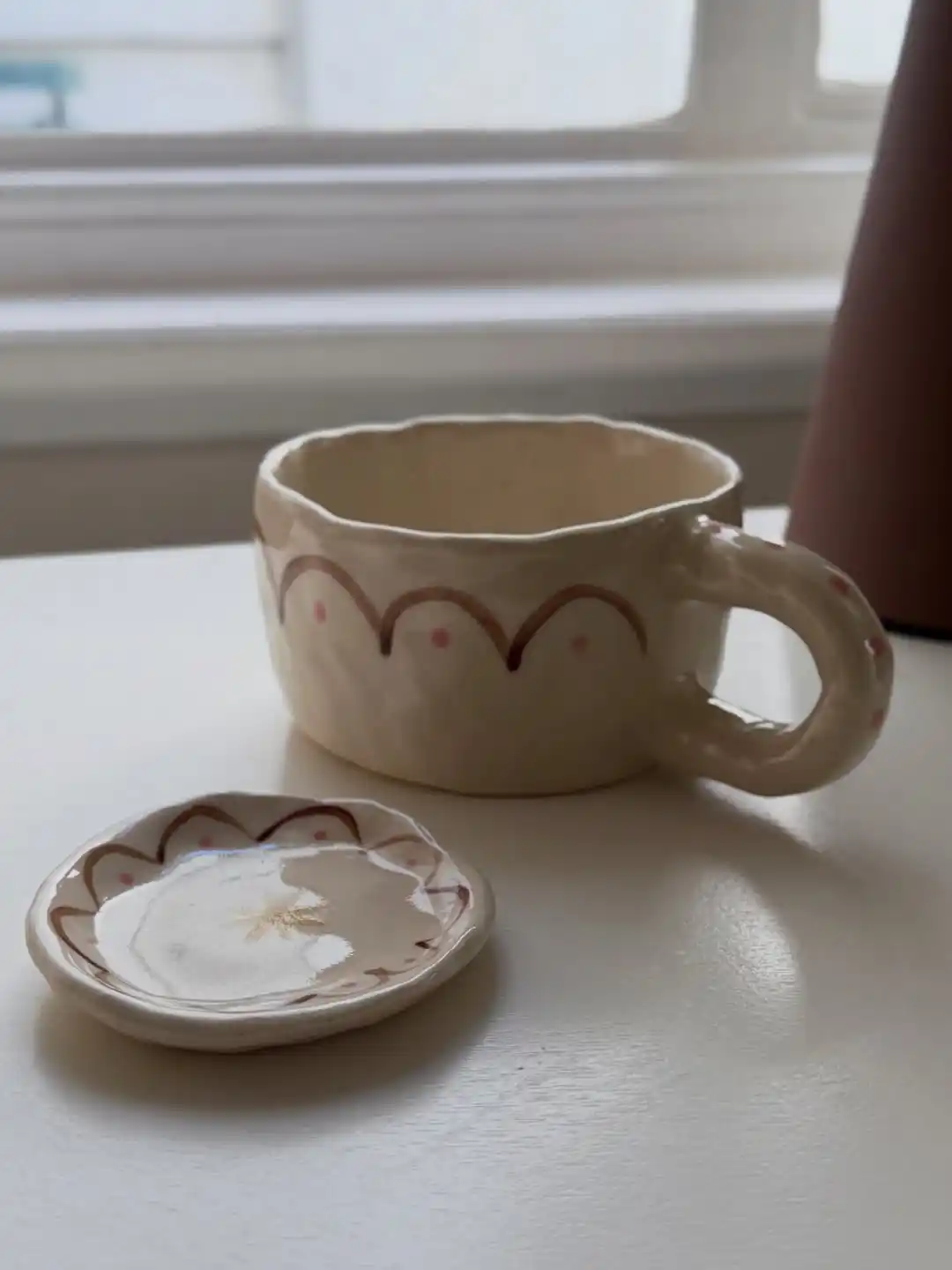
The Pinch Pot Method
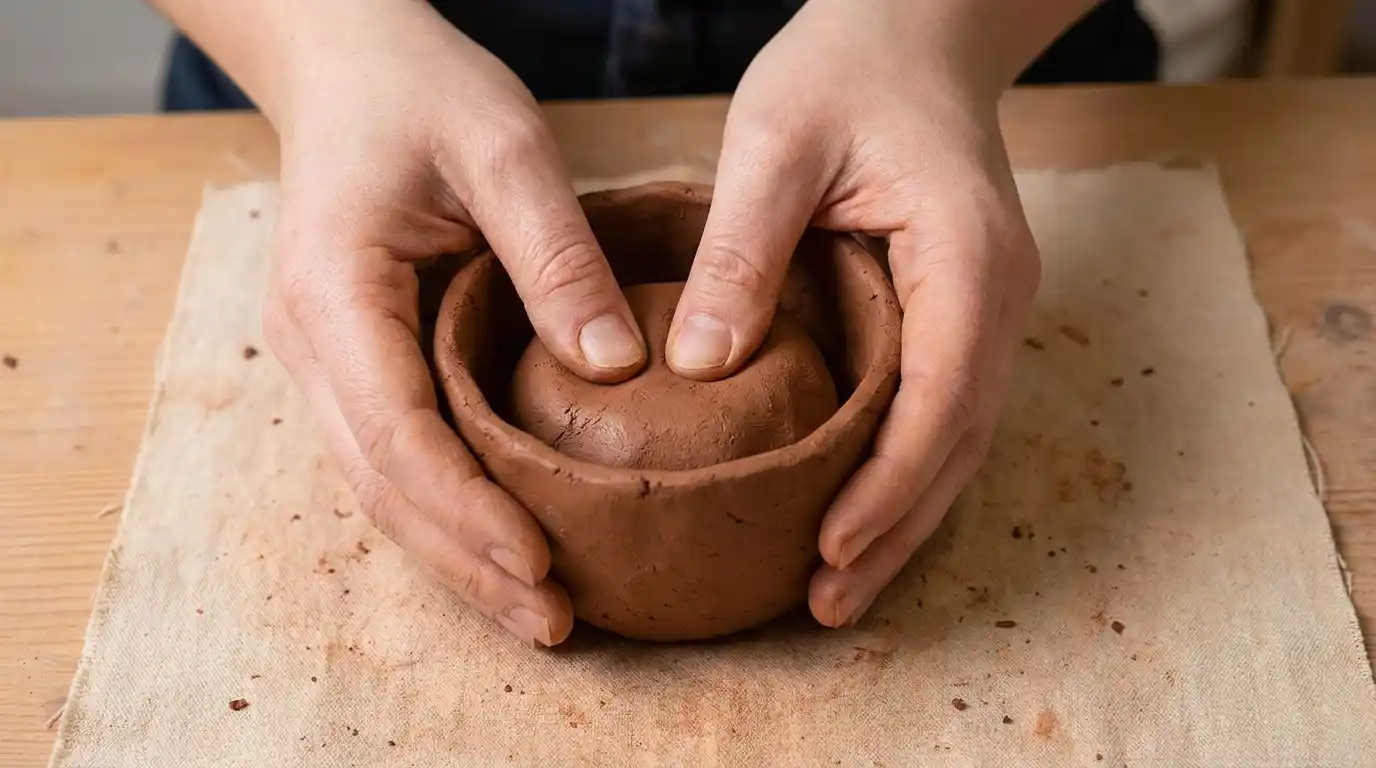
This is the most ancient way to work with clay. You start with a ball of clay and use your thumb and fingers to “pinch” the walls upward.
It is perfect for small, 100ml to 150ml espresso cups. The result is always organic and slightly wobbly in a charming way. It feels great in your hand because it fits the natural grip of your fingers.
The Slab Building Method
If you want a “Modern Classic” look, use slabs. You roll the clay flat like cookie dough and cut out shapes.
This is the best way to get straight walls and a clean, professional finish. It works perfectly for standard 300ml coffee mugs.
You can use a paper template to make sure every mug in your set is the same size.
The Coiling Technique
Coiling involves rolling long “snakes” of clay and stacking them on top of each other.
Subscribe to DIY Craft Bloom
Get updates on the latest posts and more from DIY Craft Bloom straight to your inbox.
This is the best choice for taller mugs or “Ribbed Waisted” designs that are very popular this year.
You can leave the coils visible for a textured look or smooth them out for a sleek finish.
Choosing Your Clay: Functional vs. Decorative
The clay you pick changes everything. You need to know if your mug will actually hold coffee or just sit on a shelf.
- Earthenware: This is very easy for beginners to mold. However, it stays porous. If you don’t glaze it perfectly, it might leak or get hot in the microwave.
- Stoneware: This is the gold standard for mugs. It is very strong and handles daily washing well.
- Porcelain: This is beautiful and white, but it is very fussy. It cracks easily while you are building.
Pro Tip: For the best results in 2026, use Midrange Stoneware (Cone 5 to 6). It gives you the best durability and makes your glaze colors look bright and expensive.
Step-by-Step: The Slab-Built Minimalist Mug
The slab method is the fastest way to get a professional result. Follow these steps to build your first one.
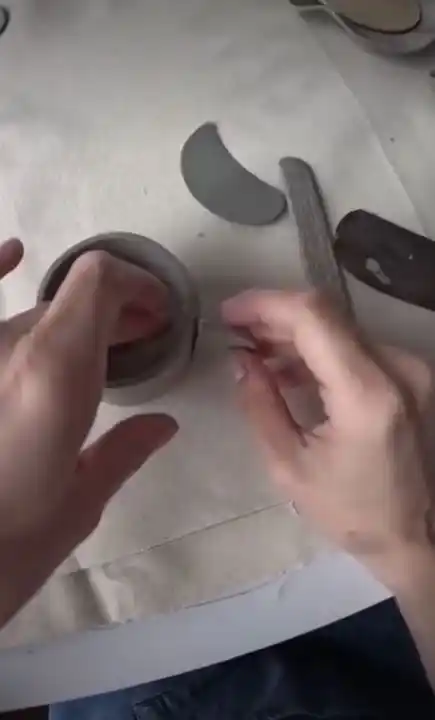
- Roll the Slab: Use a rolling pin to flatten your clay. Aim for a thickness of about 6mm. Use two wooden slats on either side of the clay to keep the thickness even.
- Cut Your Shapes: You need a long rectangle for the walls and a circle for the base.
- The Slice-Reveal: Use a thin wire to cut a tiny sliver off the edge of your slab. This lets you see if there are any air bubbles inside that might cause a crack later.
- Score and Slip: This is the most important part. Use a fork to scratch the edges where the clay will meet. Add a little water or liquid clay (slip). This acts like glue.
- Assemble: Wrap the rectangle around the circle base. Press the seam firmly.
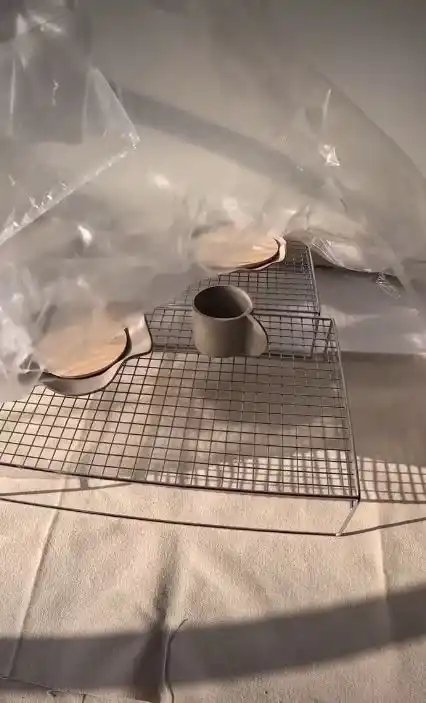
- The Comfort Grip Handle: In 2026, handles are getting wider. Cut a thick strip of clay and let it stiffen slightly before attaching it. This makes the mug easier to hold.
How to Finish Like a Pro
Hand-building isn’t just a “beginner” version of pottery. It is a specific art style.
To get a high-end look, use a rubber “rib” tool to smooth your walls. You can also use a damp sponge to wipe away any rough finger marks.
In 2026, the trend is to use low-saturation colors. Think of creamy whites, misty greens, or soft charcoal. These colors highlight the natural textures you created with your hands.
Why settle for a factory-made mug when you can hold a piece of art every morning? Hand-building lets you create exactly what you want.
Start your first pinch pot tonight. It is a great way to join the “slow-made” movement and create your own DIY ceramic mugs.
Once you finish, share your work online. There is a huge community of no-wheel pottery fans waiting to see what you make.