Elastic Vs Wire Bracelet Which Is Better for Beginners


You’ve probably seen elastic bracelets and wire bracelets and thought, “Which one should I actually wear, and why does it matter?”
Short answer: for beginners, the right pick can save you headaches, time, and a lot of frustration.
Let’s break down the elastic vs wire bracelet debate in a way that actually helps you decide fast.
What makes elastic bracelets feel beginner-friendly
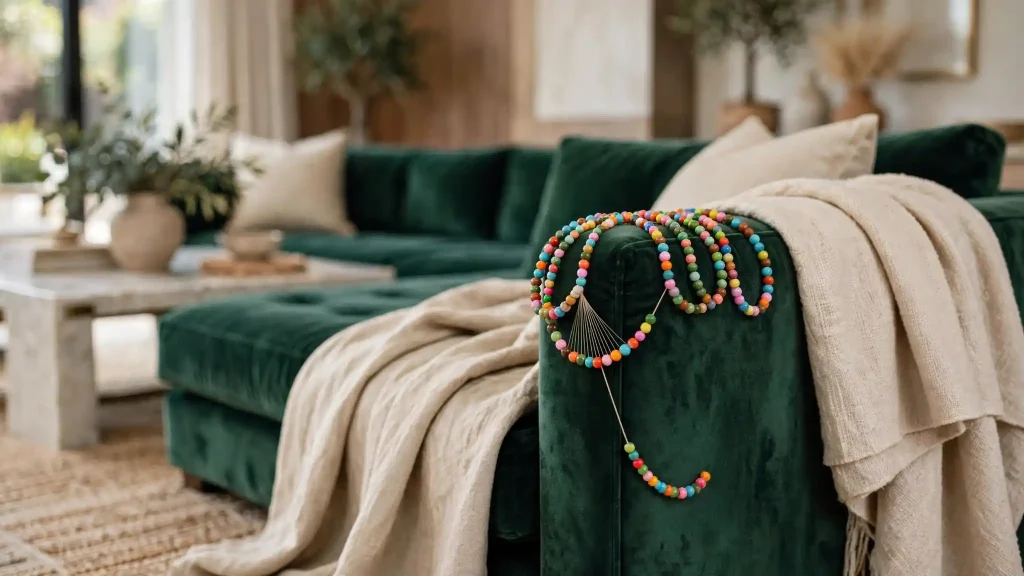
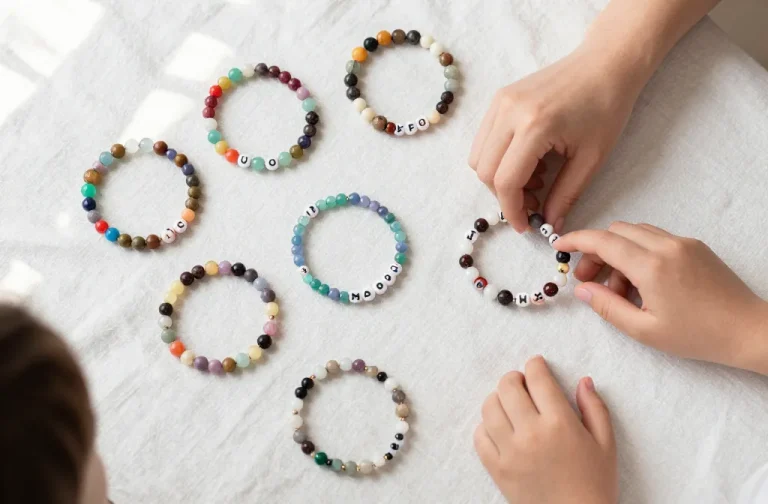
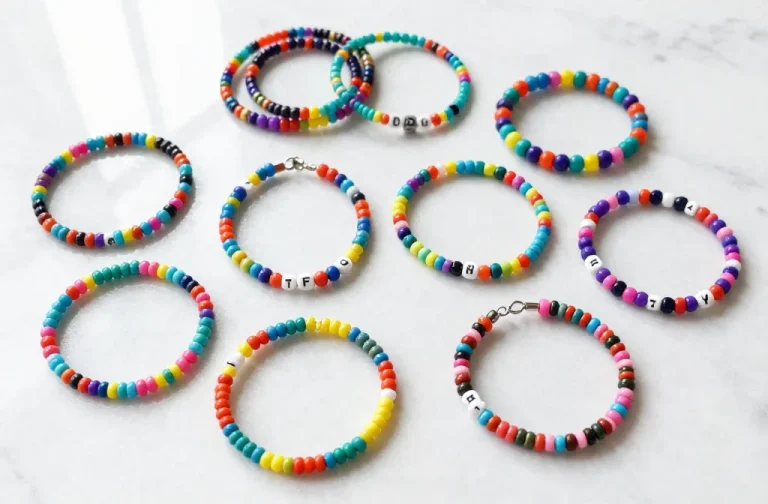
Elastic bracelets are like the training wheels of bead jewelry. Slip them on, slip them off, and they usually stay put without much fuss.
No clasps to fumble with, no extra hardware to learn. If you’re the kind of person who wants to jump straight into making and wearing without a learning curve, elastic wins the day.
- Easy to wear: Just stretch a bit and slide over your hand.
- Few moving parts: Less that can go wrong during the design process.
- Quick to assemble: Perfect for builds where you want instant gratification.
But beware: not all elastics are created equal, and tension matters. Too loose and your beads wander; too tight and you risk breaking the strand.
FYI, it’s a good idea to test your stretch with a few gentle pulls before finishing.
What makes wire bracelets appealing, especially to beginners exploring options

Wire bracelets feel more “serious” right out of the box. They look sleek, can be shaped, and you can add interesting elements like charms, beads, or wire-wrapped focal points.
They’re a bridge from simple to stylish, which is great if you want to level up fast.
Durable feel: a well-made wire bracelet stands up to daily wear with less risk of stretching out.
Customizable: you can create unique shapes, textures, and designs.
Tight control over fit: clasps or hook-and-eye closures let you dial in precise sizing.
The catch? Wire takes a little more technique. You’ll be dealing with pliers, crimps, and sometimes soldering. If you’re a complete newbie, it can feel like you’re juggling tiny tools and fireproof ideas. Not ideal if you want “instant” results.
What beginners should consider before choosing
Let’s get practical. Here are the top factors beginners should weigh when picking between elastic and wire.
Comfort and wearability: Do you want something you can slide on easily or something that hugs the wrist more securely?
Durability for daily life: Will you be tough on the bracelet, or do you want something that lasts without much maintenance?
Skill level and time: Do you want a quick project, or are you excited to learn techniques like crimping or wire wrapping?
Maintenance and care: Elastic can snap over time; wire needs occasional checks for sharp ends or loose clasps.
- Zero tools required
- Instant gratification
- Slide on/off easily
- Budget-friendly start
- Professional, polished look
- High durability
- Customizable sizing
- Builds core jewelry skills
If you want a low-stress start, elastic is the obvious choice. If you’re excited about learning techniques and crafting a more refined piece, wire might be worth the extra effort.
Elastic bracelets in depth
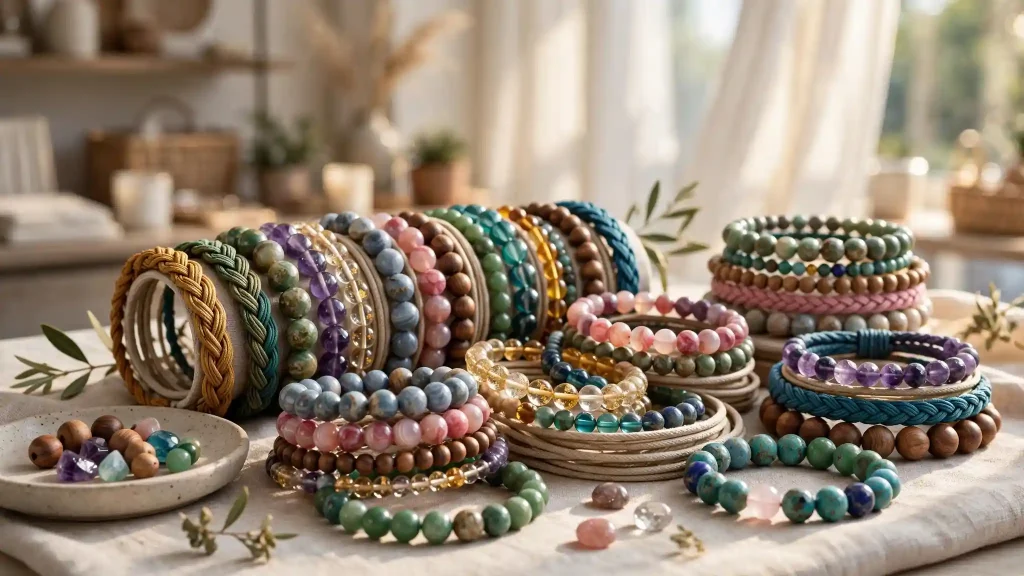
Types of elastic:
Round cord, flat stretch, or braided stretch. Each has a vibe and a different feel on the wrist.
Subscribe to DIY Craft Bloom
Get updates on the latest posts and more from DIY Craft Bloom straight to your inbox.
Bead compatibility:
Some beads have larger holes, some are fragile. Check the hole size before you commit to a single strand.
Strength tips:
- Use beading thread or durable elastic specifically designed for jewelry to avoid wear and tear.
- Seal the knot properly; a drop of glue helps but don’t glob it, or you’ll end up with a messy finish.
- Test the stretch after finishing—don’t hand it to a friend with a “pop” expectation.
Subtle starter tips for elastic projects
Start with a bead-friendly length: enough to slip on but not so long it flops around.
Choose seed beads for a forgiving finish; they look great and are tougher to mis-tie than large beads.
Double up for security: Many makers like a back-to-back knot with a dab of glue for peace of mind.
Wire bracelet basics you can actually tackle

Wire bracelets aren’t an obstacle course—just a tiny skill upgrade. Start with simple shapes, like a curved cuff or a minimal bangle, and you’ll feel pretty accomplished.
Basic tools you’ll need: round-nose pliers, flat-nose pliers, flush cutters, and a basic bail or clasp setup.
Simple techniques: basic wire wrapping, making a loop, and crimping are the core skills for most entry-level wire bracelets.
Safety: Keep sharp ends tucked away. No one wants a poke in the wrist from a stray wire end.
Starter wire projects that won’t scare you away
- A plain curved cuff with a single bead focal point.
- A wrapped bead bracelet using a pre-cut length of craft wire.
- A dainty charm bracelet with a simple toggle clasp.
Cost, time, and practicality: what you actually save (or spend) as a beginner
Budget and schedule matter more than you think when you’re just starting.
Elastic:
– Pros: Cheap to start, fast results, lots of bead options.
– Cons: Potential for frequent restringing; lower perceived “value” if you don’t mind loose ends.
Wire:
– Pros: More durable, more “polished” look, reusable parts.
– Cons: Starter kit costs add up; tools and learning curve can feel heavy.
If you’re watching your wallet and crave a quick win, elastic wins. If you’re investing in a hobby and plan to layer on techniques, wire pays off in the long run.
Subscribe to DIY Craft Bloom
Get updates on the latest posts and more from DIY Craft Bloom straight to your inbox.
Techniques to fast-track your beginner success
Master a few basics and you’ll unlock confidence across both mediums.
For elastic:
- Learn a proper secure knot (like the surgeon’s knot or a figure-eight with a dab of glue).
- Check and recheck bead hole size before threading a full strand.
For wire:
- Practice simple loops and basic crimping first.
- Learn to smooth sharp ends with nylon jaw pliers or file them down.
Mini-challenges to keep you motivated
Create a 3-bead elastic bracelet, then upgrade to a 5-bead version with a focal bead.
Make a basic wire bracelet with a single wire-wrapped bead, then try a two-bead wrap for a subtle twist.
Which one is better for beginners—final verdict
If your top priority is ease, speed, and a stress-free experience, elastic is your best friend. It minimizes tool needs and cooking up a beautiful piece happens in minutes.
For those who crave a sense of accomplishment from adapting techniques and want a longer-lasting piece that feels more “professional,” wire is the better teacher—and the better long-term habit to build.
But here’s a friendly nudge: you don’t have to pick only one. Many beginners start with elastic to learn bead sizing and spacing, then gradually try a beginner wire project to grow their toolkit.
IMO, diversifying your practice keeps things fresh and stops the whole hobby from turning into a single boring method.
Conclusion
Elastic vs. Wire Bracelets
Which is better for beginner jewelry makers?
What is the easiest bracelet to start with?
If you want the simplest path, start with an elastic bracelet using widely spaced seed beads. It’s forgiving, fast, and ready to wear the exact same day.
Do elastic bracelets ever break?
Yes, elastic can snap over time. Simply restring with new cord, tie a secure knot, and always seal the finish with a dab of glue.
What tools do I need to start with wire?
Begin with a basic starter set: round-nose and chain-nose pliers, flush cutters, a ruler, and a simple clasp mechanism.
Can I combine elastic & wire?
Absolutely. A clever design trick is to use a wire-wrapped focal bead in the center, and use elastic to finish the rest for a polished look without being overwhelmed.
Conclusion
So, which is better for beginners? It depends on what you want to get out of the hobby. Elastic bracelets win for immediate results, comfort, and simplicity.
Wire bracelets win for durability, a more refined look, and the satisfaction of learning new skills.
The good news: you can start with elastic and loop in wire later as your confidence grows. FYI, progression is totally normal—no one becomes a master overnight.