Heartbroken? Here is How to Repair Handmade Mugs


There is a unique heartbreak in hearing the “clink” of a favorite handmade mug hitting the floor. You stand there looking at the pieces and wonder if it is gone forever.
Most people think they have two choices: throw it away or grab a tube of super glue.
But there is a catch. If you use the wrong ceramic glue, you might create a toxic hazard. Some glues cannot handle hot coffee. Others just won’t hold up over time.
This guide shows you how to repair handmade mugs the right way. You will learn the difference between a decorative fix and a food-safe repair.
We will look at the exact materials needed in 2026 and walk through a simple restoration process. By the end, you will know how to do a professional pottery repair at home.
Assessing the Damage: Can You Actually Save It?
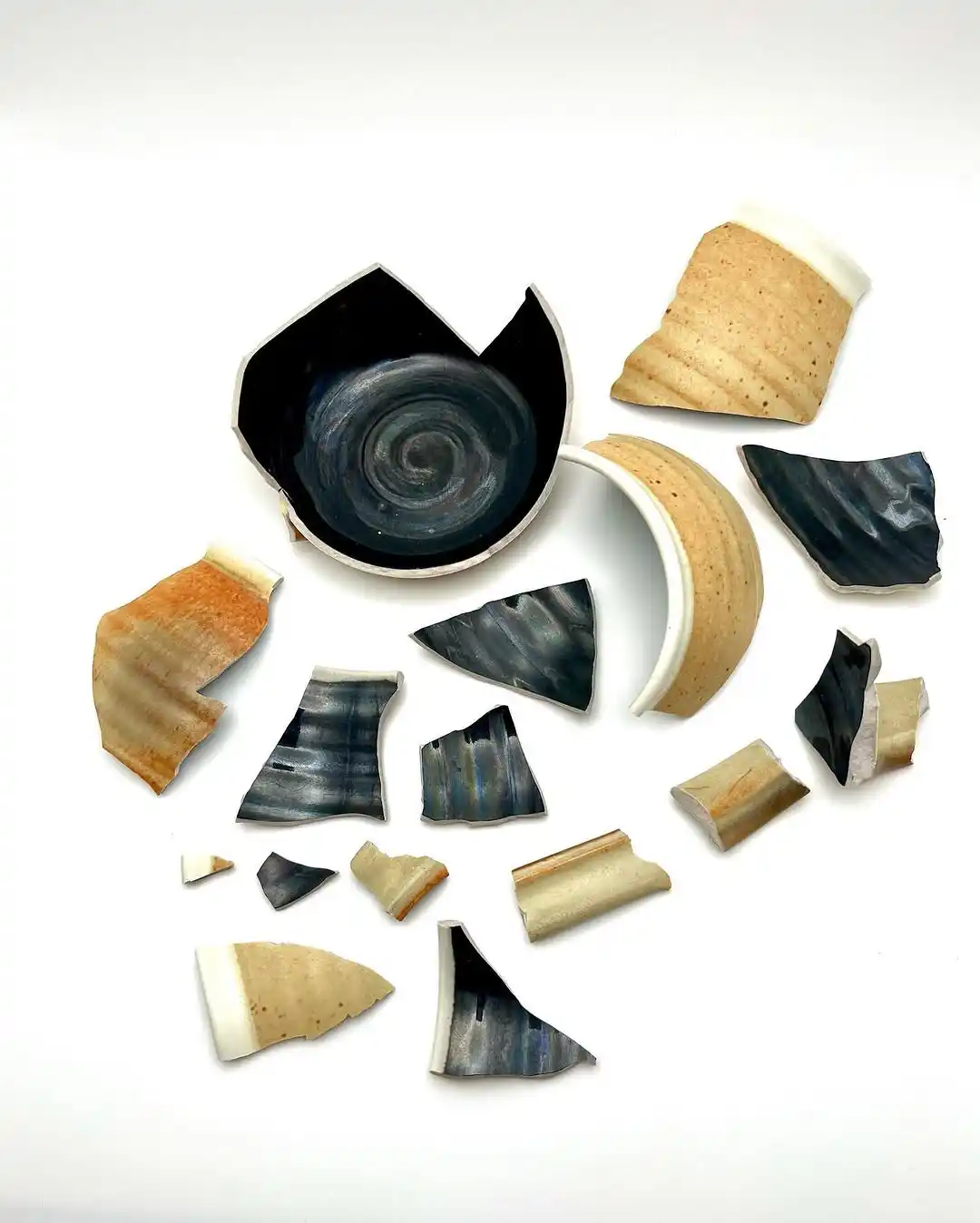
Before you reach for the glue, you need to look closely at the mess. Not every break is the same. Some are easy fixes, while others might be too dangerous for a morning cup of tea.
Start by gathering all the ceramic shards. Small splinters are hard to see, but they matter for a tight fit. If you have a clean break into two or three large pieces, you are in luck.
This is a great candidate for repairing cracked pottery. However, if the mug shattered into tiny dust-like bits, it might be better as a mosaic project.
Subscribe to DIY Craft Bloom
Get updates on the latest posts and more from DIY Craft Bloom straight to your inbox.
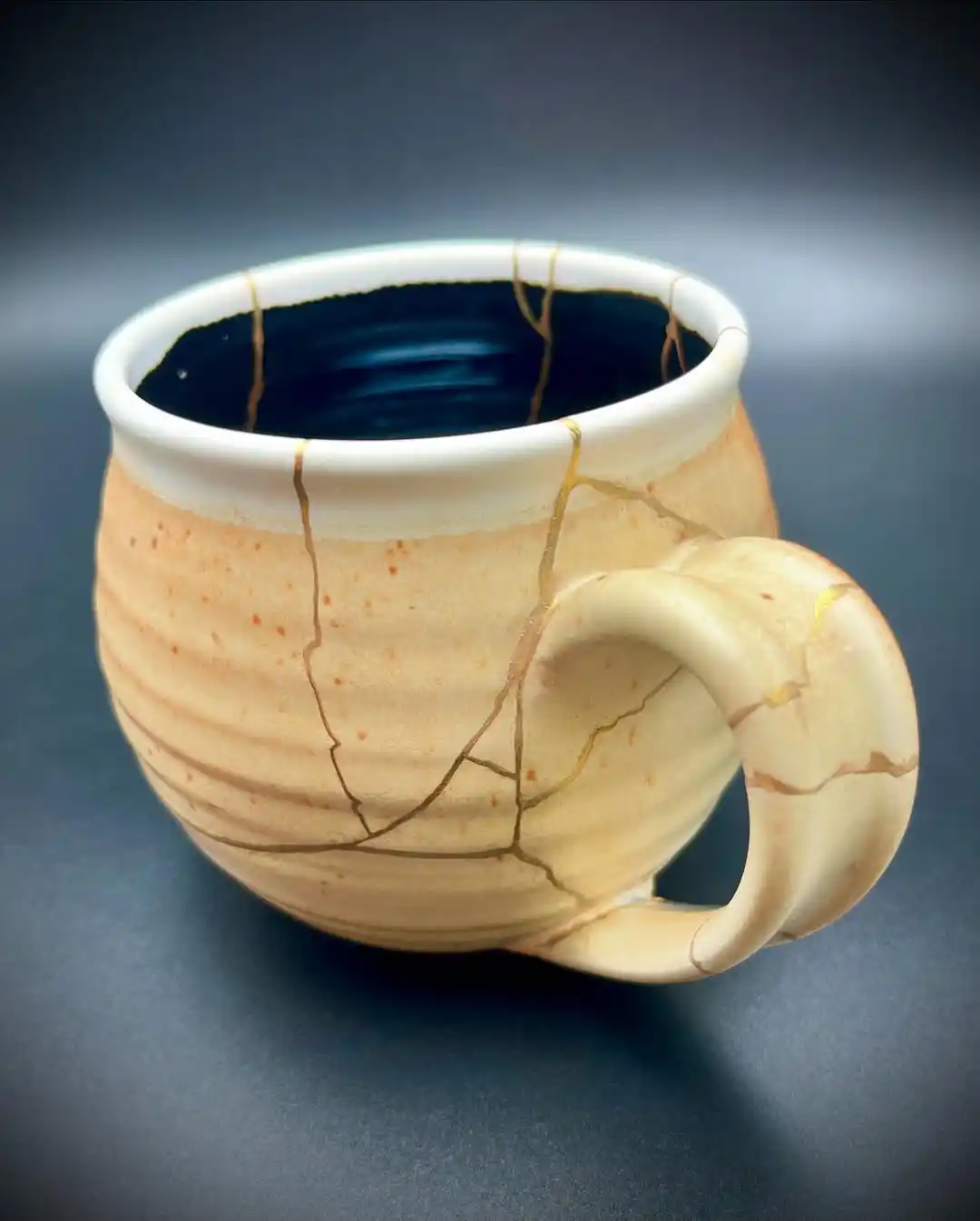
Check the “structural integrity” of the break. A handle break is what experts call a “high-stress” area. This part takes all the weight of the liquid and the heat. If the handle snapped, you must be ready to let it cure for at least 24 hours.
Don’t rush this part. If you do, the handle could snap off while you are holding hot coffee. That is a safety risk you don’t want to take.
The 2026 Food-Safety Reality Check
Is your glue safe for drinking? This is the most important question. Many people use standard 2-part epoxies. These work great for a picture frame, but they are often not safe for hot liquids.
In 2026, we know more about how chemicals move. When you pour boiling water into a mug, the ceramic heats up. This heat can cause chemicals in the glue to “migrate” into your drink. Most common epoxies start to break down at 180°F (82°C).
Even if a label says “food-safe,” that often only means for dry food at room temperature. It does not mean it can handle a hot latte.
To stay safe, look for a non-toxic pottery glue or a food-safe ceramic adhesive that is rated for high heat. If you cannot find a glue that explicitly says it is safe for hot liquids, use that mug for pens or a small plant instead. Being honest about the limits of your glue keeps you healthy.
4 Steps to Repair Your Mug
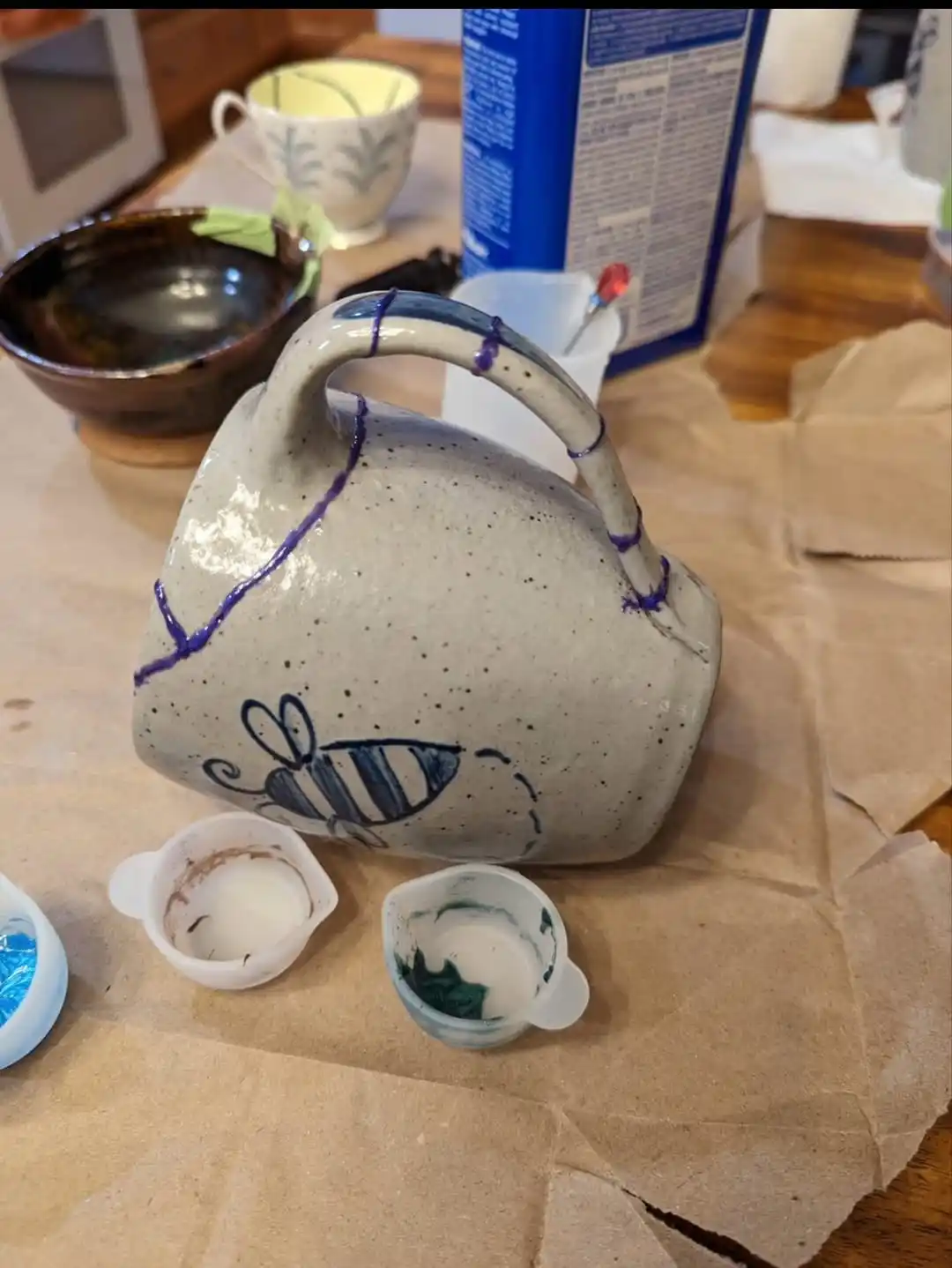
Follow these steps to get a strong, clean bond.
- Clean the Edges: Use 91% Isopropyl Alcohol on a cotton swab. Oils from your skin will stop the glue from sticking. Clean every surface that needs to be joined.
- The Puzzle Phase: Before using glue, fit the pieces together. This is called dry-fitting. It helps you see the order in which pieces must go back.
- Apply the Adhesive: Use a toothpick for this. It gives you control. Apply a very thin layer to one side. Remember that less is more. Too much glue creates a bulky seam that looks bad.
- The Gravity Hack: This is a pro secret. Fill a small bucket with dry sand or rice. Push your mug into the sand at an angle that keeps the broken pieces pressed together by gravity. This acts like a third hand while the glue sets.
Using a toothpick helps with handmade mug restoration. It keeps the glue exactly where it belongs. This is especially helpful for fixing ceramic handles where you don’t want extra glue dripping down the side.
Subscribe to DIY Craft Bloom
Get updates on the latest posts and more from DIY Craft Bloom straight to your inbox.
Kintsugi: 3 Ways to Turn Flaws into Gold
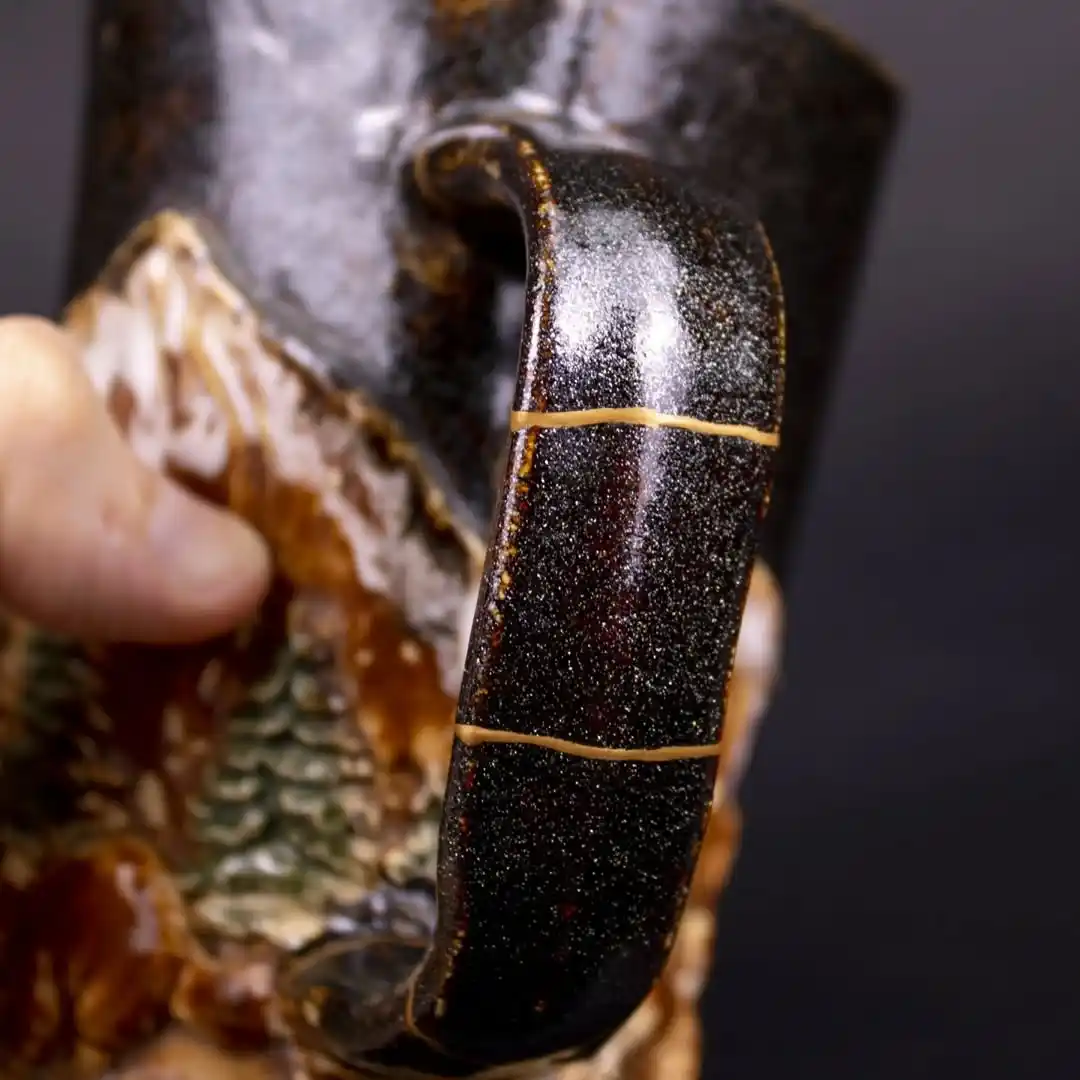
Sometimes, you don’t want to hide the crack. You want to celebrate it. This is based on a Japanese idea called “Wabi-sabi.” It means finding beauty in things that are imperfect.
A DIY Kintsugi guide usually involves mixing gold powder with a strong adhesive. In 2026, you can choose between two main paths. The first is “New Kintsugi.” This uses modern, food-safe epoxies mixed with gold mica powder. It is fast and looks beautiful.
The second path is traditional Urushi lacquer. This is a natural sap. It is very hard to use and takes weeks to dry, but it is the most authentic method for gold ceramic repair.
Whichever you choose, the goal is the same. You aren’t just fixing a mug. You are telling the story of how it broke and how you made it whole again.
Why Your Handmade Mug is Worth Fixing
The global ceramics market is expected to reach over $261 billion by the end of 2026. This shows that people value handmade items more than ever. A handmade mug isn’t just a tool. It is a piece of art.
Repairing a mug is a slow process. It requires the right chemistry and a bit of patience. But saving a piece of history is worth the effort.
Before you take your first sip from a repaired mug, always check the technical data sheet for your glue. Make sure it can handle the heat.
Now that you know how to repair handmade mugs, go ahead and save those favorite pieces. You have the tools and the steps to do it right.