Ceramic Vs Porcelain Mugs DIY

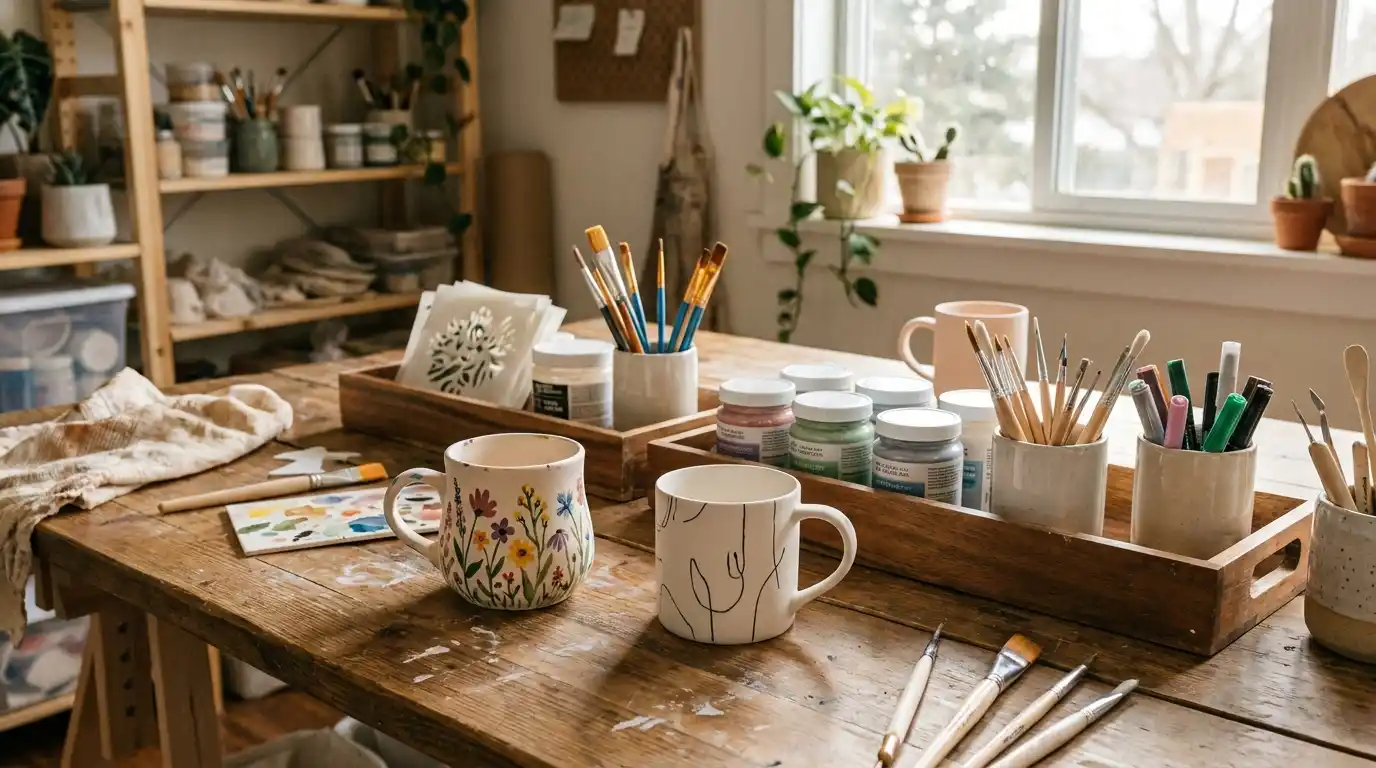
Your hand painted masterpiece should not wash off after one cup of coffee. You spent an hour detailing a gift, but after one trip through the dishwasher, the design is peeling away.
This happens because most crafters grab any white mug from a store shelf without checking what it is made of. When you use the wrong materials, your paint chips and your sublimation ink looks dull.
In this guide, you will learn the real differences between ceramic vs porcelain mugs DIY projects. We will look at how these materials react to heat and ink.
By the end, you will know exactly which mug to buy for acrylic markers, vinyl, or professional sublimation. Getting the right base is the best way to ensure durability in your DIY mug painting.
The Technical Breakdown: Porosity and Firing
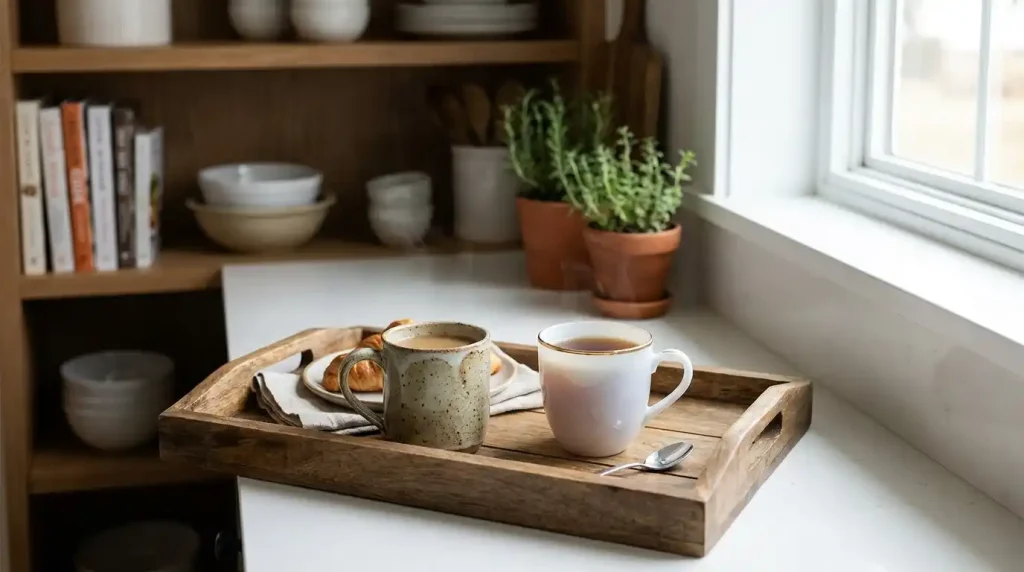
To understand your mug, you have to look at the kiln. The main difference between these two materials is how hot they get during the making process.
Standard ceramic mugs (stoneware) are fired at 1,800 — 2,100 F. Porcelain is fired much higher, often reaching over 2,200 F.
This heat changes the surface. Because ceramic is fired at a lower heat, it stays slightly porous. It has tiny microscopic holes that act like “teeth.”
Subscribe to DIY Craft Bloom
Get updates on the latest posts and more from DIY Craft Bloom straight to your inbox.
These teeth grab onto paint and markers. Porcelain is different. It is fired until it reaches a water absorption rate of less than 0.5%. This makes it almost like glass.
While porcelain is smooth, that smoothness means some paints have nothing to hold onto. Surface prep is only half the battle. The material is the other half.
3 Best DIY Methods for Ceramic Mugs
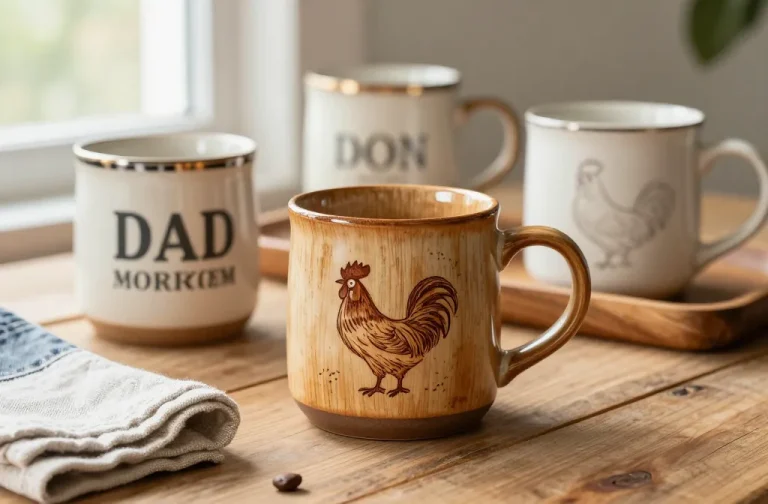
Ceramic is the “Old Faithful” of the DIY world. Because it is a bit more porous, it is the best choice for beginners using oil based markers or air dry paints. Brands like Pebeo or Craft Smart markers work beautifully on these surfaces.
How to get a permanent finish:
- Clean the surface with Isopropyl alcohol to remove finger oils.
- Apply your design using oil based markers.
- Let it dry for 24 hours.
- Heat curing ceramic mugs: Place the mug in a cold oven, heat it to $350^\circ\text{F}$ for 30 minutes, then let it cool inside the oven.
The “tooth” of the ceramic allows the paint to bond deeply during the heating process. This creates a much stronger finish than painting on porcelain. But what if you want a more refined, professional finish?
Why Porcelain Wins for Fine Detail and Sublimation
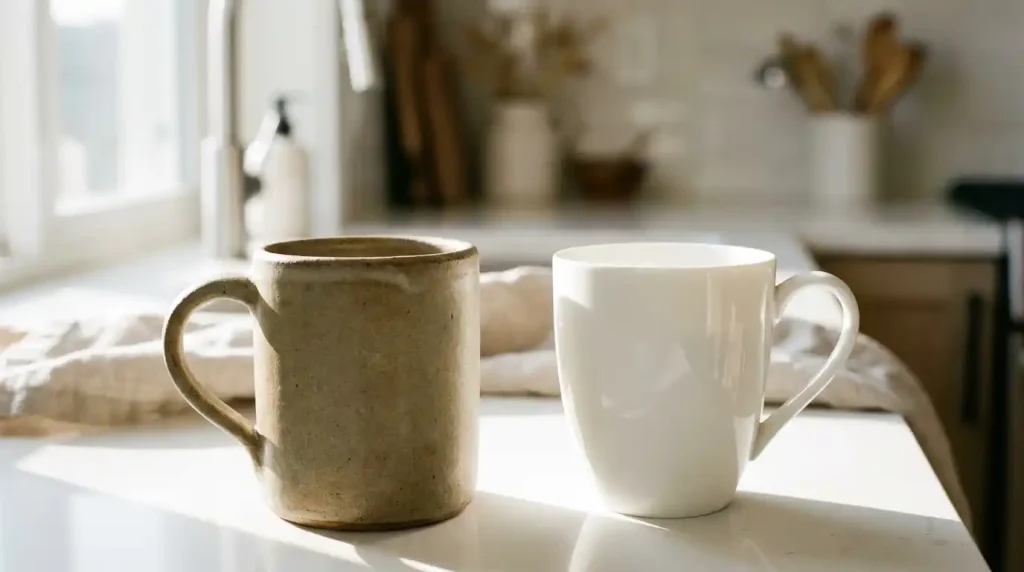
Enter porcelain: the smooth, sophisticated cousin. Porcelain is naturally very white and dense. In 2026, trends show that buyers want the “translucent” and high end look of porcelain for boutique gifts.
If you are using sublimation, porcelain is your winner. The dense surface prevents the ink from “bleeding” into the material.
Subscribe to DIY Craft Bloom
Get updates on the latest posts and more from DIY Craft Bloom straight to your inbox.
This keeps your photos and logos looking sharp. The colors pop because the background is a pure, bright white rather than the off-white or cream color of most ceramics.
Pro-Tip: If you use vinyl, porcelain is also better. The glass-like surface allows the adhesive to create a vacuum seal. This makes it harder for the vinyl to peel at the edges. Now that it is decorated, let’s make sure it lasts.
The Durability Test: Microwave and Dishwasher Safety
The global mug market is hitting over $9 billion this year. People want mugs that actually work in a kitchen. While porcelain looks thin and elegant, it can be sensitive. It handles “thermal shock” differently than ceramic.
If you take a porcelain mug from a cold fridge and pour boiling water into it, it might crack. Ceramic is thicker and usually handles these temperature swings better. However, porcelain is harder to scratch with a spoon.
2026 Actionable Tip: Always check the bottom of your “blanks” for Lead-Free and Cadmium-Free labels. Modern shoppers care about eco-safe materials.
At a Glance: Ceramic vs. Porcelain
| Feature | Ceramic (Stoneware) | Porcelain |
| Best DIY Use | Markers & Hand Painting | Sublimation & Vinyl |
| Weight | Heavier / Chunky | Light / Elegant |
| Heat Retention | Holds heat longer | Cools down faster |
| Cost | Budget friendly | Premium price |
How to Choose Your Winner
Choose ceramic if you want a rustic look or plan to use hand markers. It is forgiving and easy to cure in a home oven.
Choose porcelain if you want a professional, sleek finish or are selling high quality sublimated items.
Before you start, always wipe your mug with alcohol and seal your hand-painted work with Mod Podge Dishwasher Safe sealer.