6 Craft Ideas for Teen Boys with ADHD

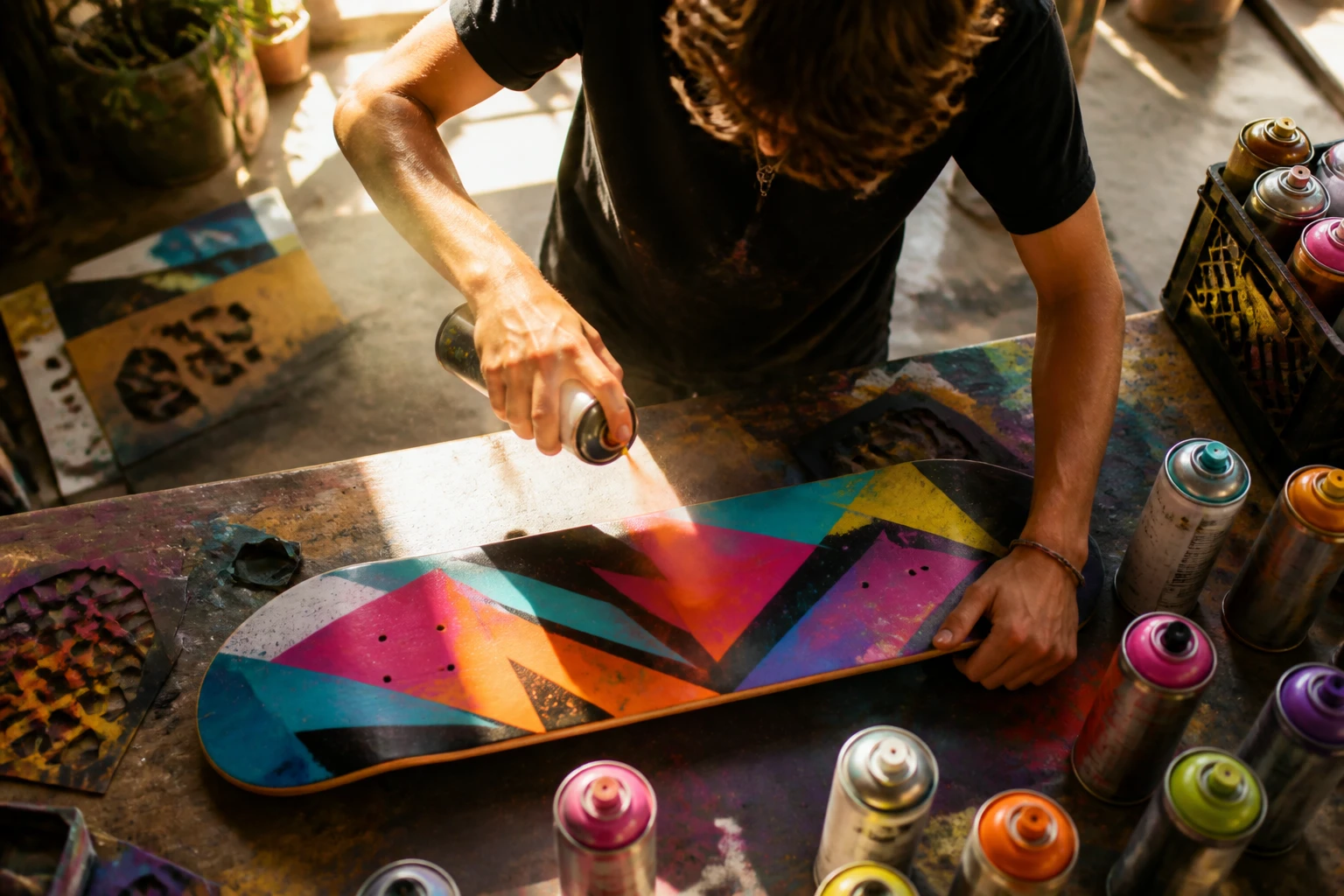
Let’s be real—keeping a teen boy with ADHD engaged in a craft project isn’t always easy. But here’s the thing: when you match the right project to how their brain works, magic happens.
These six craft ideas are designed specifically with movement, quick wins, and hands-on action in mind.
No boring glue-and-wait projects here—just cool, engaging builds that turn restless energy into something awesome.
1. Custom Skateboard Deck Art With Spray Paint and Stencils
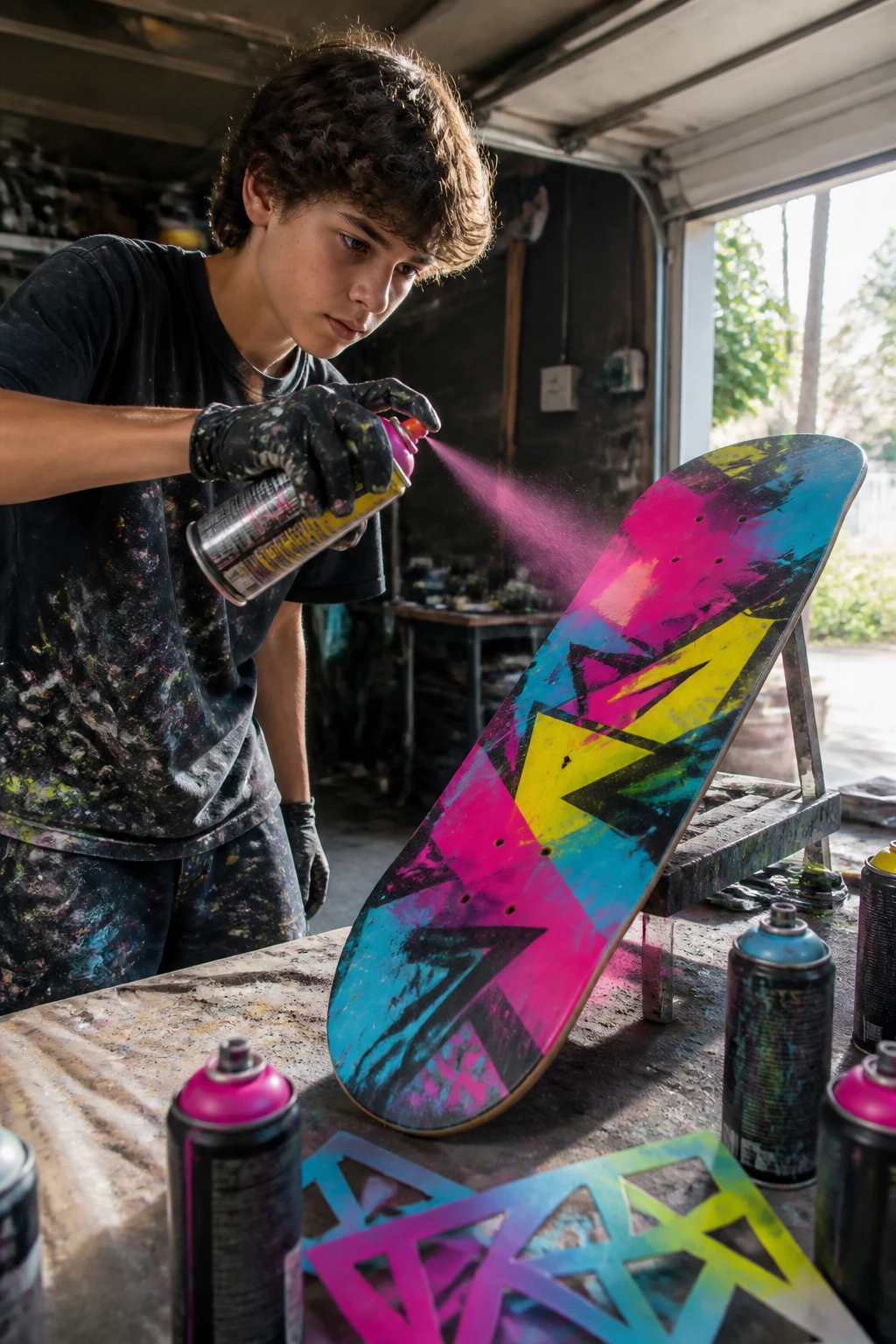
Picture this: a completely personalized skateboard deck covered in bold graffiti-style designs, geometric patterns, or their favorite band logos.
This project combines physical activity with creativity, and the best part? The actual painting process is fast-paced and super satisfying.
Plus, they end up with functional art they can actually ride or hang on their wall as a trophy piece.
Materials Needed
- Blank skateboard deck or old deck sanded down
- Spray paint in 3-5 colors
- Stencils (store-bought or homemade from cardboard)
- Painter’s tape
- Clear sealant spray
- Drop cloth or cardboard workspace
How to Make It
Start by setting up an outdoor workspace or well-ventilated garage. Tape off sections or use stencils to create different zones on the deck—this is where they can go wild with color blocking, layering, and pattern mixing.
The spray paint application is quick and physical, perfect for keeping hands busy and minds focused.
Let each layer dry for 15-20 minutes between colors, which is just enough time to take a break, grab a snack, or brainstorm the next design element.
Once all the paint layers are done and completely dry, seal everything with a clear protective coat.
This step is crucial if they’re planning to actually skate on it. The whole project can be done in one afternoon, which means they see results fast without losing steam halfway through.
Why It Works
This craft hits different because it’s active, it’s artistic, and there’s zero chance of getting bored waiting for things to dry forever.
The movement between painting, stepping back to look, and planning the next layer keeps the dopamine flowing. Trust me, they’ll be psyched to show off their custom deck to friends.
2. Paracord Survival Bracelets With Hidden Features
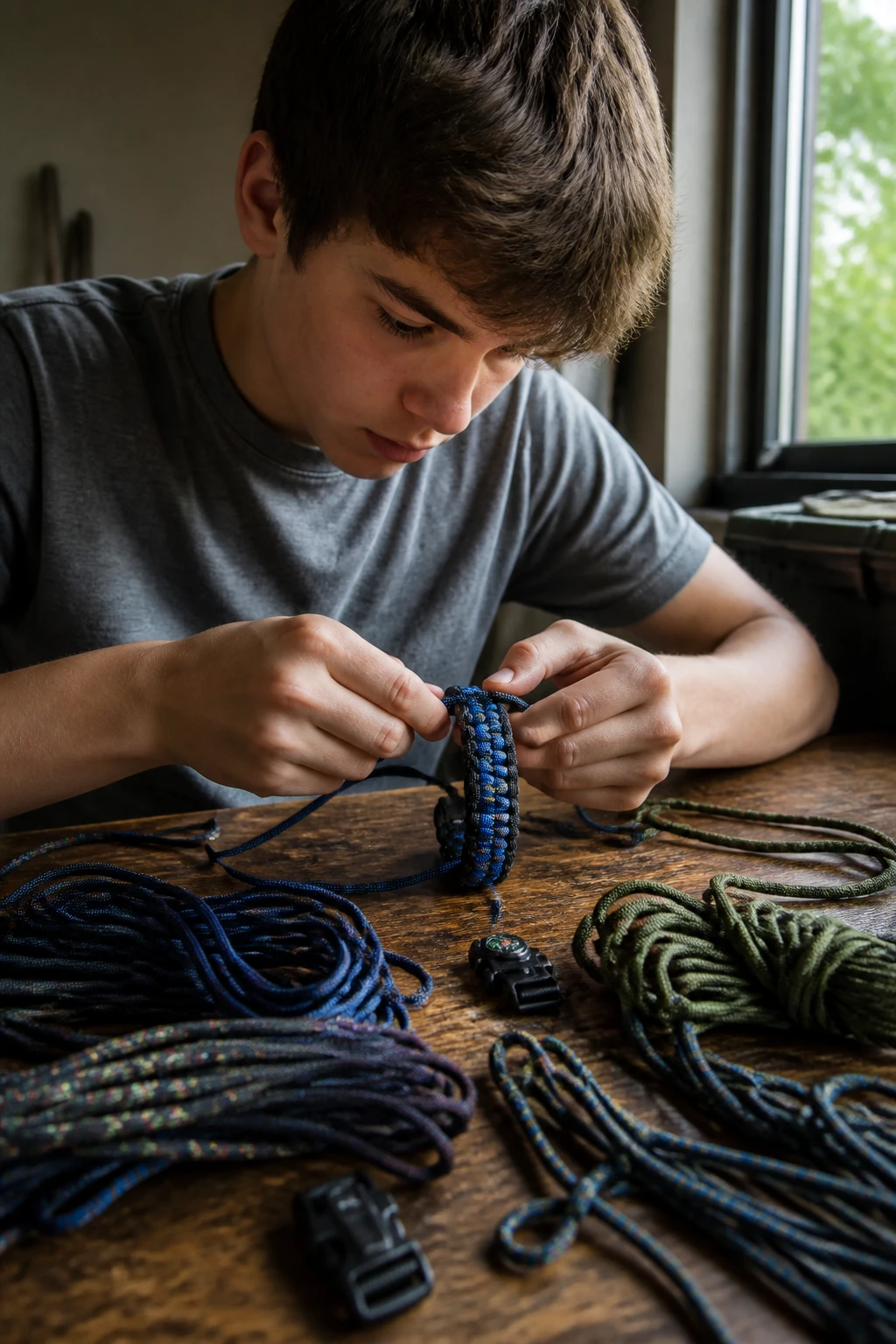
These aren’t your average friendship bracelets—we’re talking serious survival gear that looks cool and serves a purpose.
Paracord bracelets are all about repetitive hand movements that actually help with focus, and the fact that they’re making something legit useful makes it feel way less like a “craft” and more like a skill.
You can even add hidden features like mini compasses, fire starters, or whistle buckles.
Materials Needed
- Paracord in various colors (10-12 feet per bracelet)
- Side-release buckles or buckles with built-in features
- Scissors
- Lighter for sealing cord ends
- Measuring tape
The weaving process is where the magic happens. Popular patterns like the cobra weave or fishtail are repetitive enough to be calming but complex enough to stay interesting.
Each bracelet takes about 20-30 minutes once they get the hang of it, making it perfect for knocking out multiple pieces in one sitting. The rhythm of the weaving can actually help channel fidgety energy into focused productivity.
Color combinations are endless—go with camo patterns, team colors, or alternating neons. The functional buckles add an extra element of cool factor, especially the ones with built-in compasses or fire strikers.
These make great gifts for friends or can be sold at school craft fairs, which adds a whole entrepreneurial angle to the project.
Subscribe to DIY Craft Bloom
Get updates on the latest posts and more from DIY Craft Bloom straight to your inbox.
Pro Tip
Start with the basic cobra weave pattern before moving to more complex designs.
Once muscle memory kicks in, they can weave while listening to music or podcasts, making it a perfect fidget activity that produces something awesome.
3. LED Light-Up Gaming Room Sign With Wood Burning
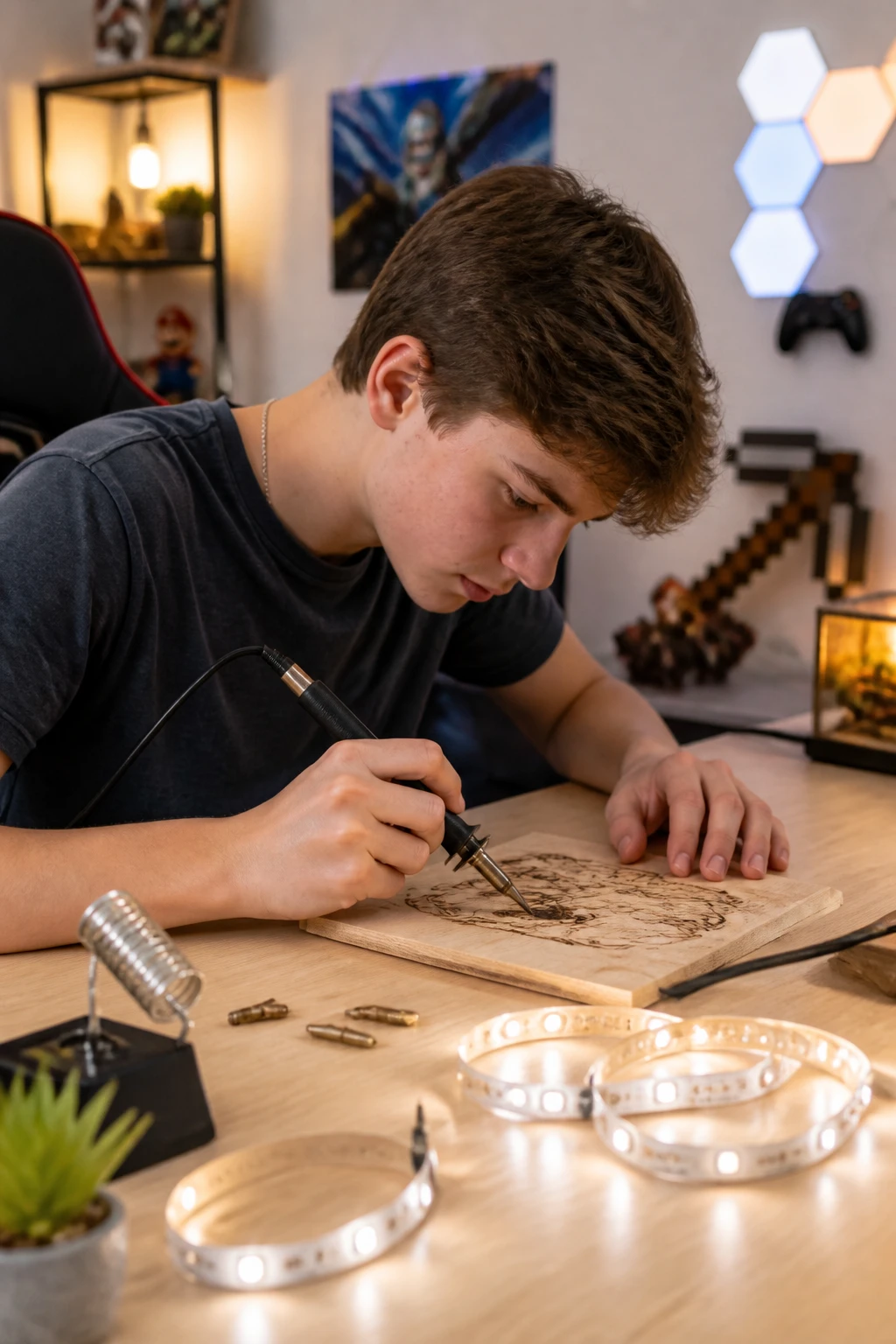
We’re talking about creating a personalized wooden sign for their gaming setup that they’ll actually be proud to display.
This project combines wood burning (which is surprisingly therapeutic and focus-friendly), painting, and basic electronics with LED strip lights.
The end result? A custom illuminated sign that screams “this is MY space” and looks professional enough to belong in a streaming setup.
Materials Needed
- Wood plank or round (12×8 inches works great)
- Wood burning tool with various tips
- Acrylic paints
- Battery-powered LED strip lights
- Stencils or printed design template
- Sandpaper
- Adhesive strips or hot glue
How to Make It
First, sand the wood surface smooth and transfer the design—this could be their gamer tag, favorite game logo, or a cool phrase.
The wood burning part is incredibly satisfying because you see immediate results as you trace the design.
The focused heat and the smell of burning wood create a multi-sensory experience that naturally holds attention. Plus, there’s something really satisfying about controlling that hot tool to create permanent marks.
After the design is burned in, they can add color with acrylic paints or leave it natural for that rustic look. The final step is attaching LED strips around the edge or behind the sign for that backlit glow effect.
Seriously, this transforms the whole piece from cool to absolutely epic, especially when the lights are dimmed.
This craft works because it combines different techniques—no single step drags on too long.
The wood burning requires focus but in short bursts, the painting is creative freedom, and wiring up the lights feels like a mini engineering project.
Perfect for a teen who needs variety to stay engaged.
4. Concrete Desk Organizer With Industrial Hardware
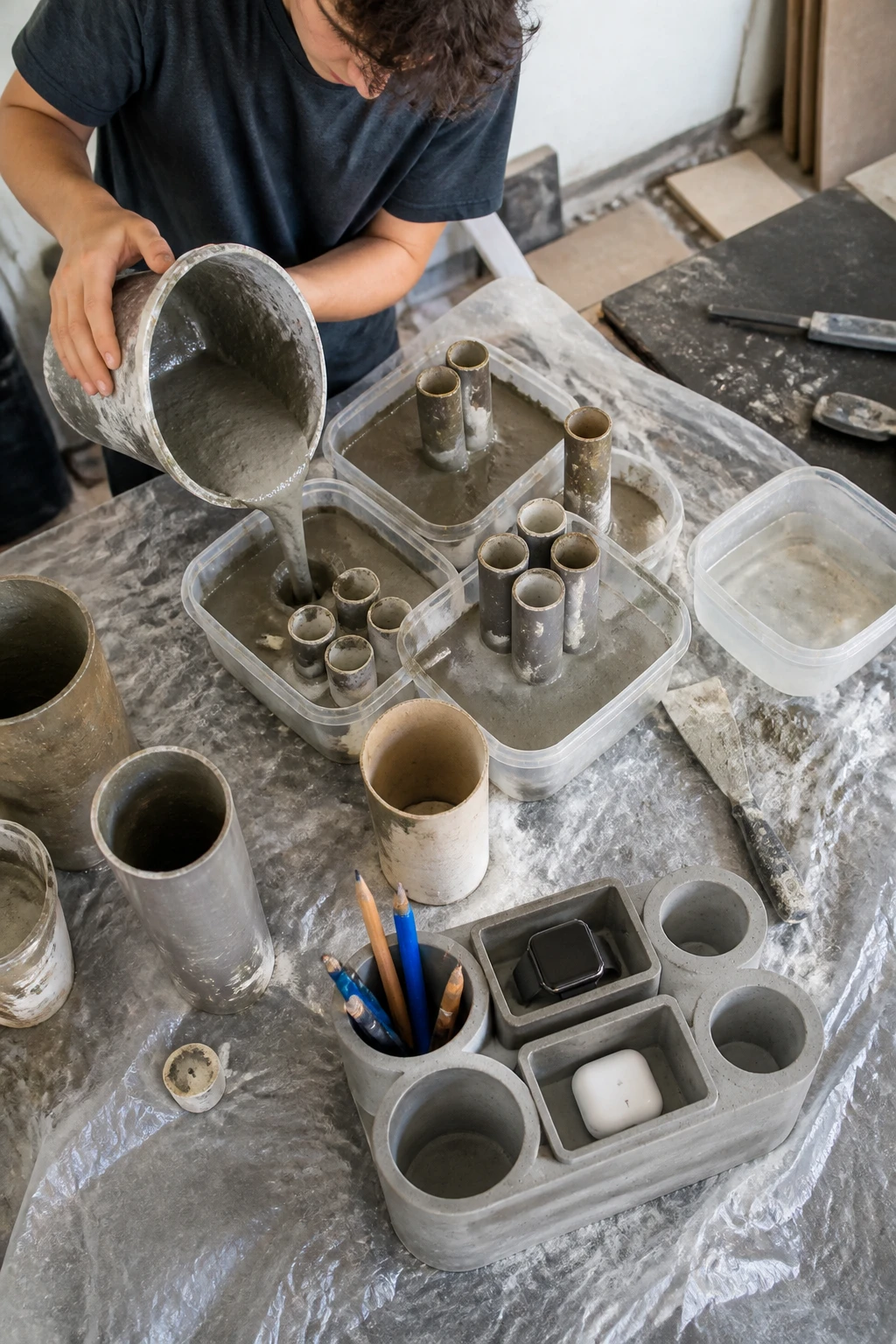
Mixing concrete might sound intimidating, but it’s actually one of the most ADHD-friendly crafts out there. It’s hands-on, messy in the best way, and there’s a definite deadline built in—you’ve got to work before it sets.
This project creates a heavy-duty desk organizer that can hold pencils, phones, headphones, and other tech in a seriously cool industrial style that looks store-bought.
Materials Needed
- Quick-setting concrete mix
- Plastic containers, cardboard tubes, or silicone molds
- PVC pipes cut to different heights
- Cooking spray or mold release
- Mixing container and stir stick
- Optional: concrete stain or sealant
- Metal hardware like hex nuts, bolts, or copper pipes for decoration
How to Make It
The process is straightforward but engaging. Mix the concrete according to package directions—this part alone is satisfying because it’s physical and there’s a clear transformation happening.
Spray your molds with cooking spray, then press PVC pipes or other objects into the wet concrete to create holders and compartments.
You can embed metal hardware, tiles, or even small trinkets into the surface for added texture and style.
Here’s where the time pressure actually helps: they’ve got about 15-20 minutes to get creative before the concrete starts setting. That built-in urgency keeps the mind locked in without overwhelming it.
After the initial set (about an hour), they can remove the molds, and by the next day, it’s fully cured and ready to use.
Subscribe to DIY Craft Bloom
Get updates on the latest posts and more from DIY Craft Bloom straight to your inbox.
The industrial aesthetic is super on-trend right now, and the weight and permanence of concrete makes it feel like a real achievement. Plus, it’s genuinely useful for keeping their workspace organized, which is always a win.
5. Custom Printed T-Shirts Using Freezer Paper Stencils
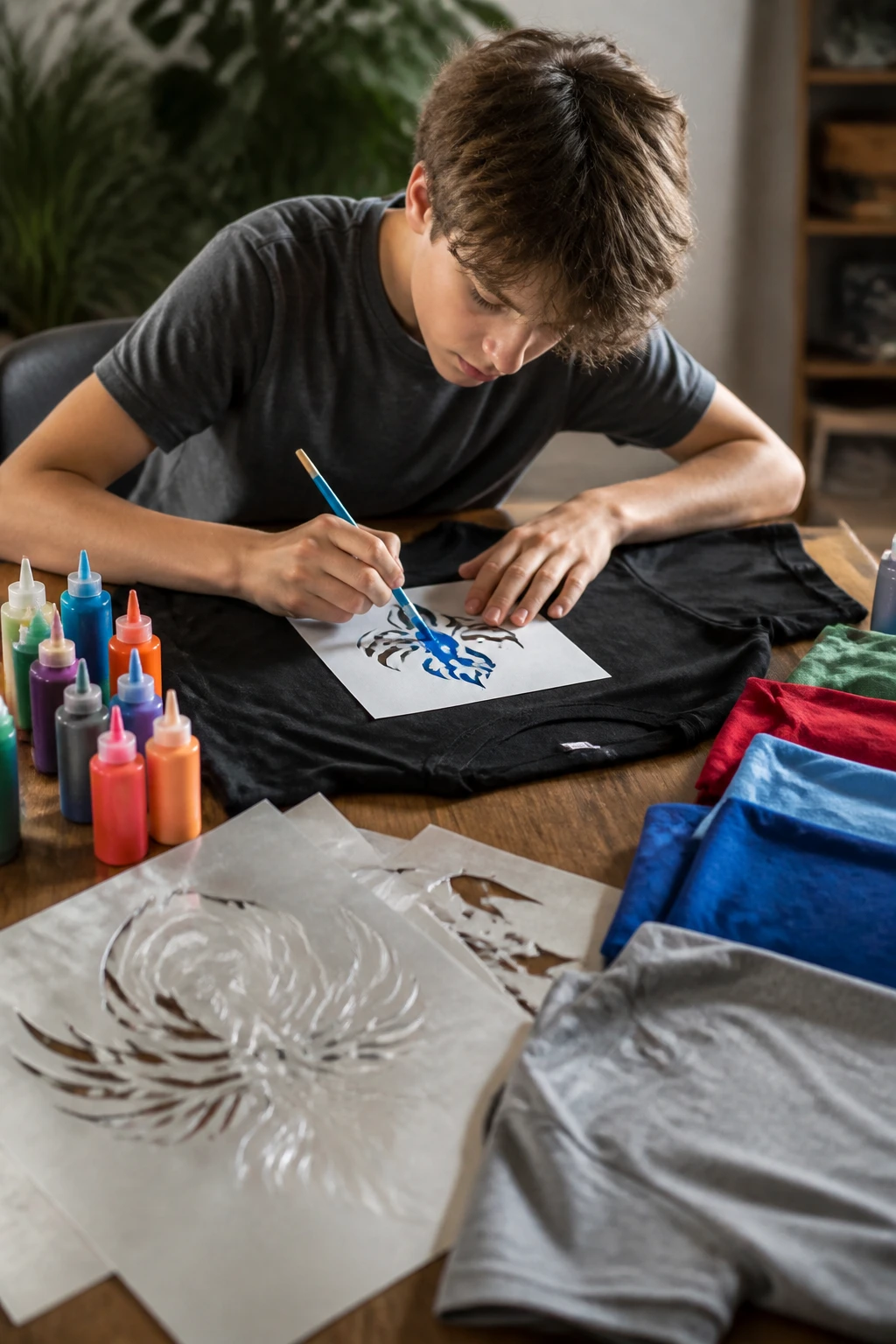
Forget those iron-on transfers that crack after one wash—this technique creates professional-looking graphic tees using freezer paper stencils and fabric paint.
It’s perfect for teens who want to wear their interests (favorite bands, games, quotes, or original designs) without spending a fortune on custom printing. The cutting process is meditative, and the painting is instant gratification.
Materials Needed
- Plain t-shirts in whatever colors they want
- Freezer paper (not wax paper!)
- Fabric paint or screen printing ink
- Craft knife or precision cutting tool
- Foam brushes or sponge daubers
- Iron
- Cardboard to place inside shirt
How to Make It
Print or draw the design on regular paper first, then transfer it to the shiny side of the freezer paper. The cutting part is where focus kicks in—carefully cutting out the stencil requires just enough concentration to be engaging without being frustrating.
Once the stencil is cut, iron it directly onto the shirt (shiny side down), and it temporarily adheres like magic.
Place cardboard inside the shirt to prevent bleed-through, then apply fabric paint using a dabbing motion rather than brushing. The key is building up thin layers—this prevents paint from seeping under the stencil.
Peel off the freezer paper while the paint is still slightly wet to reveal crisp, clean lines. Let it dry completely, then heat-set with an iron to make it permanent and washable.
They can create matching shirts for friends, design a whole collection, or make one-of-a-kind pieces to sell.
FYI, this technique works on hoodies, tote bags, and canvas shoes too, so the possibilities are endless once they master the basic method.
6. Miniature Desk Catapult From Popsicle Sticks and Rubber Bands
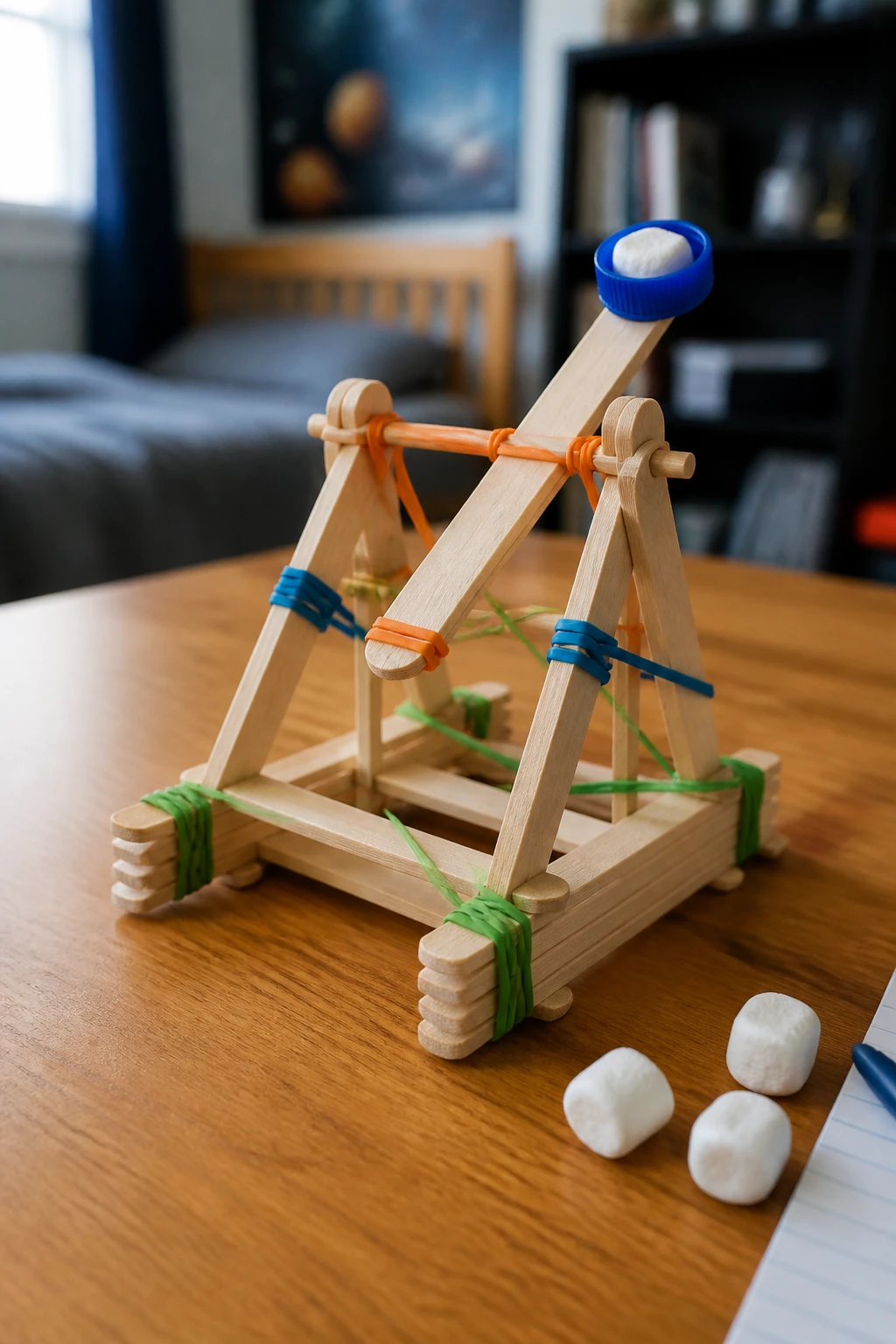
Sometimes the best crafts are the ones that double as toys, and this miniature catapult delivers on both fronts. It’s an engineering project disguised as a craft—perfect for hands that need to stay busy and minds that love figuring out how things work.
Once it’s built, they can launch mini marshmallows, paper balls, or foam projectiles across the room, which never gets old.
Materials Needed
- Popsicle sticks or craft sticks (about 10-12)
- Rubber bands in various sizes
- Plastic bottle cap or small cup for the basket
- Hot glue gun
- Optional: paint or markers for decoration
How to Make It
Stack seven or eight popsicle sticks together and secure both ends tightly with rubber bands—this creates the base. Take two more sticks and secure them at just one end with a rubber band.
Slide the stack of sticks between these two to create the lever arm, positioning it closer to one end for maximum launch power. Attach the bottle cap to the top stick with hot glue to create the launching basket.
The beauty of this project is in the troubleshooting and tweaking. Too much tension and it won’t release smoothly. Not enough and there’s no launch distance.
Adjusting rubber band placement, stick positioning, and counterweight turns this into a mini physics experiment that’s way more fun than it sounds. They can even organize competitions to see whose design launches farthest or most accurately.
Decorate the catapult with paint, markers, or leave it natural—either way, it’s a conversation starter and a functional desk toy.
You’ll love this one because it combines building, testing, and playing all in one afternoon project that actually holds attention from start to finish.
Get Crafting and Let the Creativity Flow
These six projects prove that crafting for teen boys with ADHD doesn’t have to mean sitting still and focusing on tedious details for hours.
The best crafts are the ones that match their energy, give quick wins, and result in something they’re genuinely proud to use or show off.
Pick one that speaks to their interests, gather the materials, and watch that restless energy transform into focused creativity.
Who knows—you might just discover a new hobby that sticks around for the long haul.