How to Make Resin Bracelets at Home

Resin crafts have exploded in popularity over the past few years, and it’s easy to see why. They’re creative, beginner-friendly, and offer endless possibilities for customization.
Among all resin projects, bracelets have become a favorite for DIY enthusiasts. Whether you prefer minimalist jewelry, colorful designs, or pieces filled with dried flowers and glitter, resin bracelets allow you to create something truly unique.
Another reason people love resin jewelry is that it looks far more expensive than it actually is. With just a few basic supplies and a little patience, you can make beautiful handmade bracelets right from your kitchen table.
Plus, creating your own accessories means you can customize every detail to match your style, outfit, or even special occasions.
If you’ve been thinking about trying resin crafts, you’re in the right place.
In this guide, we’ll walk you through how to make resin bracelets at home, along with helpful tips and inspiration to help you create stunning pieces you’ll be proud to wear.
Pick Your Resin Style and Tools
Choosing the right resin is the first big step. Regular two-part epoxy resin works great for beginners, but you’ll also see UV resin options.
FYI, epoxy gives you more working time, while UV resin cures in minutes—but it’s not as forgiving if you add big inclusions.
What you’ll need:
- Clear epoxy resin + hardener (in the right ratio)
- Measuring cups with marks you actually trust
- Silicone bracelet molds or a silicone bracelet mold frame
- Protective gloves and a well-ventilated area
- Colorants: mica powders, glitter, dye drops
- Inclusions: dried flowers, tiny beads, small charms
- Pop sticks or craft spoons for stirring
Tools that make life easier:
- Heat gun or torch (for removing bubbles)
- Masking tape to seal edges if you’re using a frame
- Mixing cups with clear measurement lines
- Rubbing alcohol in a spray bottle to pop micro-bubbles
Have a simple setup: a flat, protected surface, good lighting, and a timer. Trust me, a tidy station saves you from panicking mid-pour.
Design Your First Bracelet: Quick, Pretty, Doable
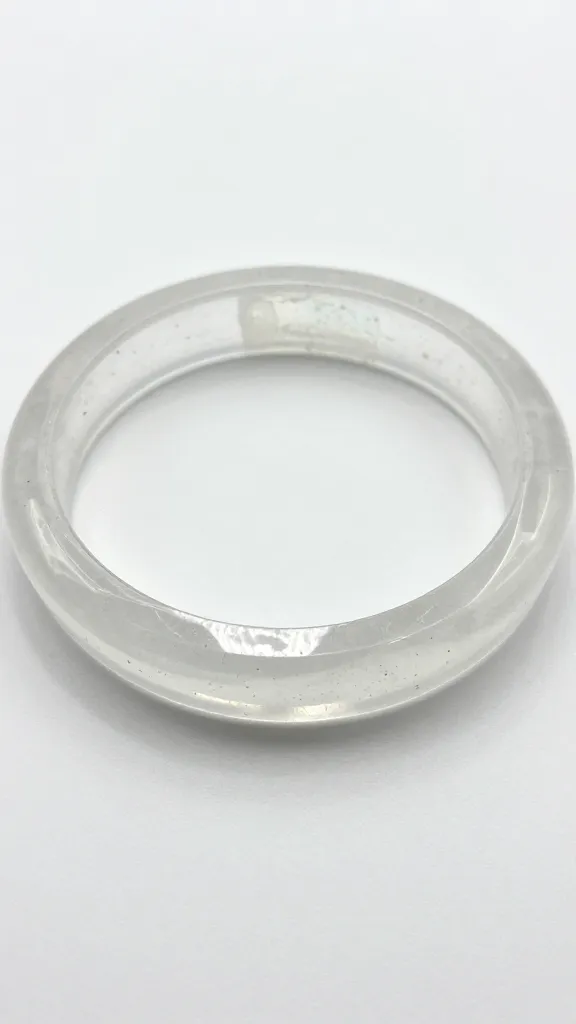
If you’re staring at a blank bracelet mold and thinking, “Now what?” you’re not alone. Start with a straightforward design so you don’t drown in glitter before you start.
– Pick a color story: 1-3 colors work best. You can go monochrome, pastel dream, or bold neon—your call.
– Decide on inclusions: tiny dried flowers for a whimsical look, or tiny charms for personality. If you’re adding flowers, dry them first so they don’t float around.
– Plan your layers: a clear base, then color, then inclusions, then a clear top layer. You want depth, not a rainbow soup.
Step-by-step quick-start:
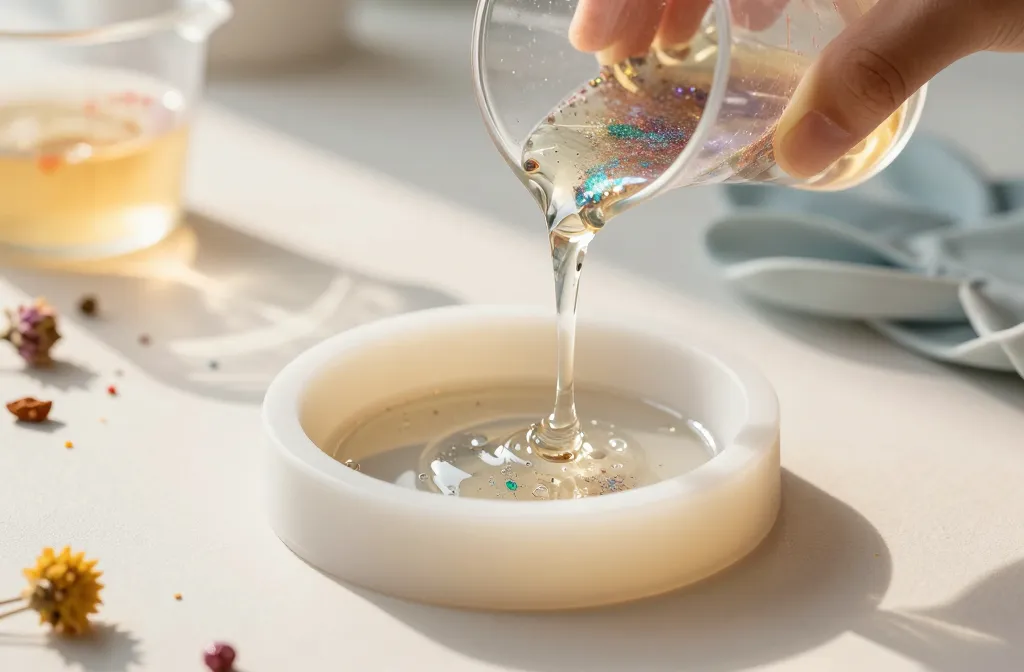
1) Mix your resin and hardener in the recommended ratio, stirring slowly to avoid bubbles.
2) Pour a thin base layer into the mold and let it set just enough to hold your inclusions in place.
3) Add your color and inclusions in small amounts. Don’t overdo it—less is more here.
4) Top with a final clear layer to seal everything in.
5) Pop bubbles with a quick pass of a heat gun (or a little compressed air) and let cure.
Subscribe to DIY Craft Bloom
Get updates on the latest posts and more from DIY Craft Bloom straight to your inbox.
Safety note: always wear gloves and work in a ventilated space. Resin fumes are not your friends.
Layering and Depth: Make It Look Pro
Depth is what makes resin bracelets look expensive. You don’t need a studio to nail this—just patience and a plan.
Bubble Busting 101
Bubbles happen. Don’t freak out. Warm resin slightly before pouring helps reduce them.
Use a heat gun or a small torch to gently hover over the surface—no flame contact. Move steadily to avoid burning the resin.
If you see bubbles mid-pour, a quick stir with a toothpick can coax them to the surface.
Color Tricks That Don’t Turn Muddy
Add color in very small amounts and build gradually.
For two colors, pour one color, let it settle a moment, then add the second color in a warm, swirling motion to create marble patterns.
Transparent overlays look slick for a “glass bead” effect—just a thin clear top layer.
Inclusions: Tiny Details, Big Wow
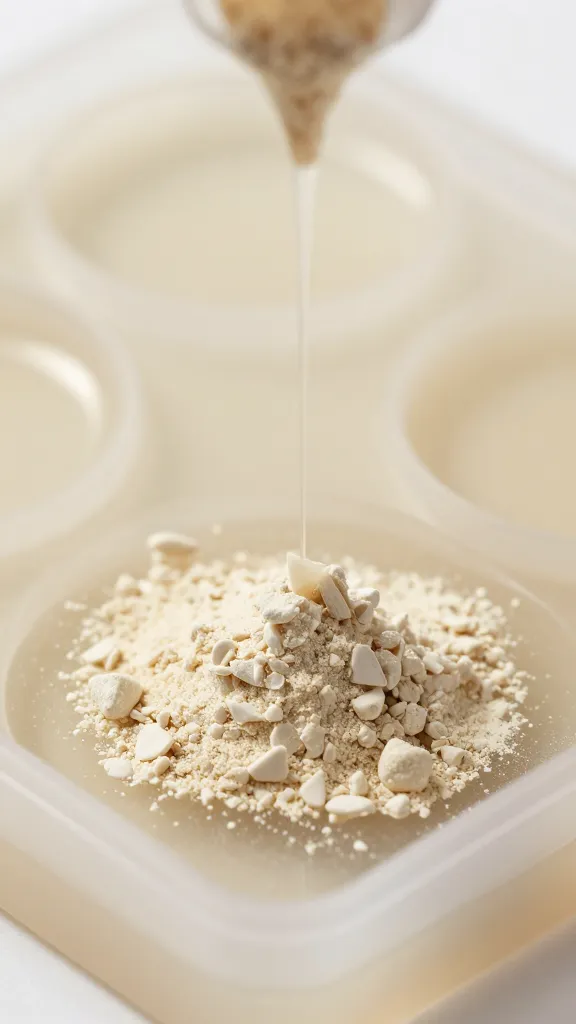
Inclusions are where your bracelet gains personality. The trick is to balance what you put in with the space you have.
Floral whimsy: dried petals or tiny pressed flowers. Keep them flat so they don’t float oddly.
Glitter and sparkle: a pinch goes a long way. Use micro-glitter for a subtle shimmer.
Mini charms: tiny metallic beads or shaped pendants add character. Check that they’re sealed properly to avoid fading.
Best practices:
– Lay inclusions down in a single layer, then seal with a clear top layer.
– Avoid overfilling the mold; you want a smooth, even surface after curing.
– If something shifts while you cure, don’t panic—some repositioning with a stick is possible if you catch it early.
Curing, Pop-Outs, and Finishing Touches
Curing can feel like watching paint dry, but the payoff is real. Temperature and time matter.
– Typical epoxy cure: 24 hours at room temperature for a solid set; full cure often by 72 hours. UV resin cures in minutes but is less forgiving with big inclusions.
– Post-cure polish: once fully cured, you can lightly buff the surface with a microfiber cloth for extra shine. If you want a glossy finish, a thin top coat can help—just don’t smudge your design.
– Edge care: if your bracelet frame has rough edges, trim with a fine sandpaper or small file for a comfortable wear.
Finishing and Wearing Your Masterpiece
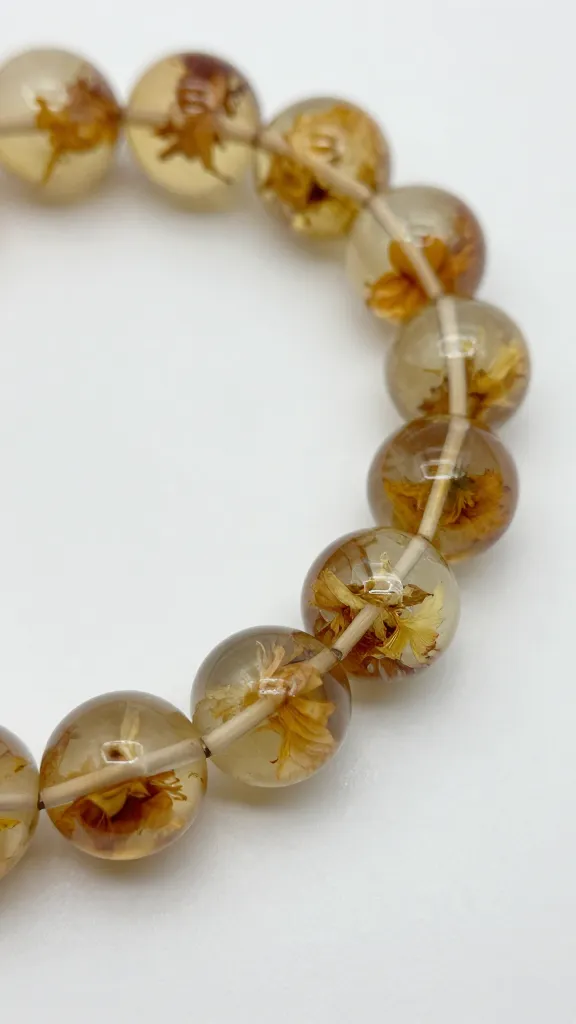
Your bracelet deserves to be worn, not hidden. Here’s how to finish strong.
– Remove any residue: wipe with a clean cloth. If you used alcohol during finishing, make sure it’s fully evaporated.
– Add a touch of protection: a light coat of clear acrylic sealer can help prevent yellowing over time (test on a scrap piece first).
– How to wear: a bracelet that’s a little flexible is ideal. If your piece feels stiff, give it a gentle bend to loosen the resin matrix.
Subscribe to DIY Craft Bloom
Get updates on the latest posts and more from DIY Craft Bloom straight to your inbox.
Care tips:
– Keep away from direct heat and harsh solvents.
– Clean with a soft, damp cloth; avoid abrasive scrubbers.
– Store flat to prevent warping.
Common Pitfalls (And How to Avoid Them)
If you’ve ever felt attacked by a puddle of resin on the kitchen counter, you’re not alone.
Here’s how to dodge the usual drama.
– Pitfall: Bubbles, everywhere.
– Fix: slow stirring, warm resin, and a careful pass with heat after pouring.
– Pitfall: Inclusions sinking or floating oddly.
– Fix: position inclusions with a tiny dab of resin under them to “stick” them in place before adding the top layer.
– Pitfall: Yellowing over time.
– Fix: choose high-quality epoxy and store away from sunlight; consider a UV-resistant topcoat.
Pro tip: practice on small test pieces before committing to a full bracelet. It saves heartache and adhesive-laden tears.
Conclusion
If you’ve stuck with me this far, you’re ready to grab your supplies and start playing.
Resin bracelets at home aren’t a secret club—just a handful of simple steps, a splash of color, and a little patience.
The more you practice, the better your pieces will look, and the more you’ll feel like a tiny jewelry wizard.
FYI, your future self will thank you for the quick, satisfying craft sessions that double as little creative wins.
FAQ
Is epoxy resin safer than UV resin for beginners?
Epoxy resin gives you more working time, which is friendlier for beginners who want to adjust their design. UV resin cures fast, but you’ll need more precise layering and a UV light. Both require good ventilation and gloves—don’t skip safety.
How long does a resin bracelet take to cure?
Most epoxy bracelets cure to a solid set in about 24 hours at room temperature, with full cure around 72 hours. UV resin can cure in minutes but often requires multiple thin layers for the same depth.
How do I prevent my inclusions from floating?
Place inclusions where you want them first, with a tiny amount of resin beneath if needed to anchor, then pour your top layer slowly. A light touch helps; resist the urge to flood the mold in one go.
Can I add a resin bracelet to a mold that’s not silicone?
Silicone molds are the easiest for popping out cured pieces. If you must use other materials, make sure they’re nonstick and designed for resin, or you’ll have a sticky I-tell-you-what moment when you try to unmold.
What finishes keep resin looking clear and shiny?
A well-cured piece typically stays clear on its own. If you want extra gloss, a light top coat of a clear resin or a polymer sealant can help. Avoid abrasive pads that can scratch the surface.
Any quick tips for a beginner-friendly kit?
Start with a small, straightforward design: one color, a single type of inclusion, and a simple top layer. As you get comfortable, you can experiment with layers, multiple colors, and more complex inclusions. And yes, have fun—this is your time to shine.